By: A Woman’s Place in Naples, FL
The first trimester is a lot. Your body is doing an extraordinary amount of work: building a placenta, forming your baby’s neural tube, heart, and organs, all while you may be dealing with nausea, fatigue, food aversions, and the emotional weight of those two pink lines.
Eating well during this time matters enormously, but it can also feel nearly impossible when the sight of certain foods sends you running. The goal isn’t perfection. The goal is nourishment; getting key nutrients in wherever you can, in whatever form you can tolerate.
Here’s a practical guide to the foods that support you and your baby most in these early weeks.
Folate-Rich Foods: Priority Number One
Folate (the natural form of folic acid) is critical in the first trimester because it supports the development of your baby’s neural tube: the structure that becomes the brain and spinal cord. Neural tube development happens in the first few weeks of pregnancy, often before women even know they’re expecting.
Good sources of folate include:
- Dark leafy greens — spinach, kale, romaine, arugula
- Lentils and black beans
- Asparagus and Brussels sprouts
- Avocado
- Fortified cereals and grains
Your prenatal vitamin will also contain folic acid, but food sources add up too. Your provider can confirm you’re getting enough at your first prenatal visit.
Protein: Building Blocks for Baby
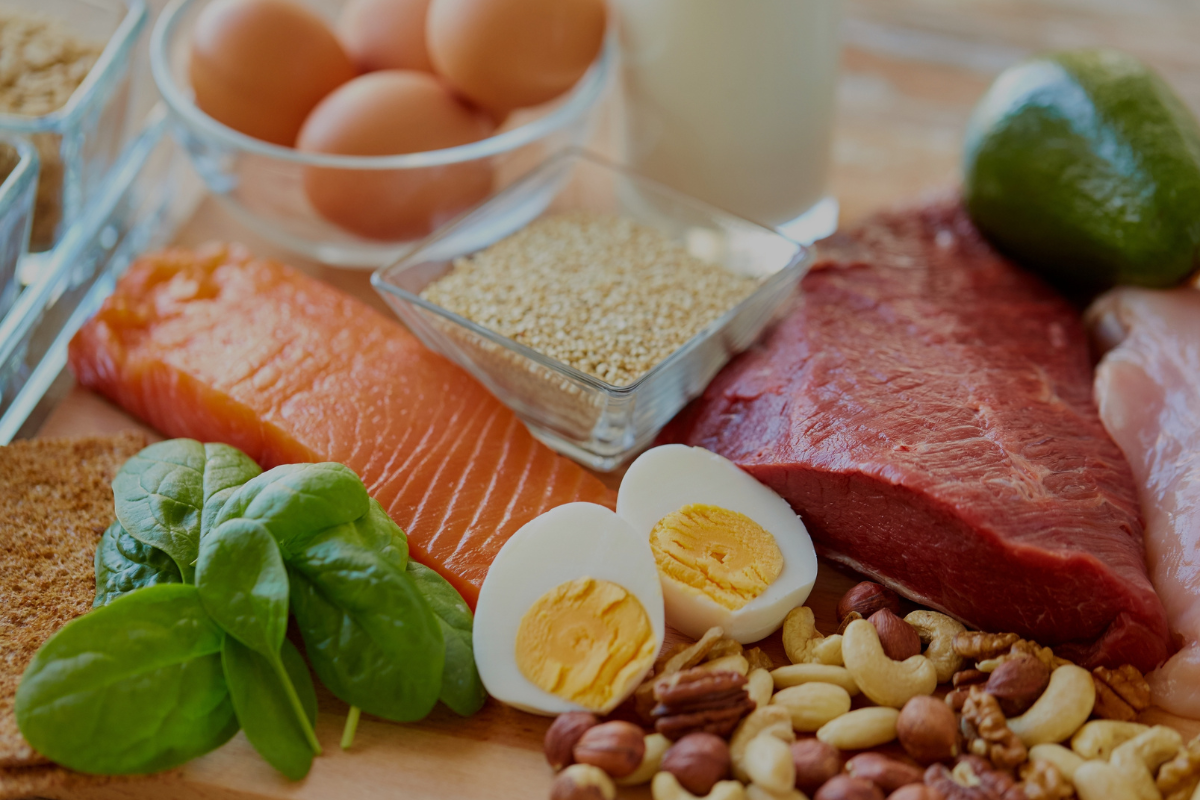
Protein supports your baby’s rapid cell growth and helps maintain your own energy and muscle mass. Aim for at least 70–80 grams per day during the first trimester, though that number increases as pregnancy progresses.
Strong first-trimester protein sources:
- Eggs — also rich in choline, which supports brain development
- Greek yogurt — double the protein of regular yogurt with added calcium
- Lean chicken and turkey
- Beans, lentils, and chickpeas — especially helpful if meat sounds unappealing
- Edamame and tofu
Iron-Rich Foods: Fighting Fatigue
Iron deficiency is one of the most common nutritional issues during pregnancy, and the first-trimester fatigue many women experience is often compounded by low iron levels. Iron supports the increased blood volume your body needs to carry oxygen to your baby.
- Red meat (in moderation) — one of the most bioavailable sources of iron
- Lentils and kidney beans
- Spinach and fortified cereals
- Pumpkin seeds and tofu
Pro tip: pair iron-rich plant foods with a source of vitamin C: like bell peppers, citrus, or strawberries to significantly boost absorption.
| “The doctor and the nurse were very professional and caring. They are a blessing to the community!”
A Woman’s Place Patient Testimonial |
Calcium and Vitamin D: Bone Support
Your baby is drawing calcium from you to build their skeleton. If your intake is too low, your body will pull it from your bones. Dairy products are the most concentrated sources, but non-dairy options work too.
- Milk, cheese, and yogurt
- Fortified plant milks — almond, oat, soy
- Sardines and canned salmon with bones
- Broccoli and bok choy
Vitamin D helps your body absorb calcium and many people (and their prenatal vitamins) don’t have quite enough. Your provider can check your levels and recommend a supplement if needed.
Managing Nausea: Eating When Nothing Sounds Good
First-trimester nausea is real, and for some women it’s severe enough to make eating a genuine challenge. A few strategies that many women find helpful:
- Eat small amounts frequently — an empty stomach often makes nausea worse
- Keep crackers, dry toast, or pretzels within reach — especially first thing in the morning
- Cold foods often smell less intense than hot foods
- Ginger — in tea, chews, or supplements — has evidence behind it for nausea relief
- Protein at every meal or snack helps stabilize blood sugar, which can reduce queasiness
If nausea is preventing you from eating or drinking normally, or if you’re losing weight, let your provider know. Hyperemesis gravidarum (severe pregnancy nausea and vomiting) is a medical condition that requires treatment: not just willpower.
What to Limit or Avoid
A few things worth keeping in mind:
- Raw or undercooked meat, fish, and eggs — risk of foodborne illness is higher during pregnancy
- High-mercury fish — shark, swordfish, king mackerel, tilefish; limit tuna to 2 servings per week
- Unpasteurized dairy and soft cheeses like brie, camembert, and queso fresco
- Deli meats and hot dogs unless heated until steaming
- Excessive caffeine — most guidelines recommend no more than 200mg per day (about one 12oz coffee)
| “Dr. Parker has always been very kind and very supportive. Never had a doctor like her who’s very gentle and caring”
A Woman’s Place Patient Testimonial |
Your Pregnancy Nutrition Questions Belong at Your Prenatal Visits
Every pregnancy is different, and nutritional needs can vary based on your health history, pre-pregnancy weight, and whether you’re carrying multiples. The providers at A Woman’s Place offer thorough, personalized pregnancy care through every trimester, including guidance on nutrition, supplements, and managing symptoms like nausea.
We also offer Centering Pregnancy: a group prenatal care model that combines regular checkups with peer support and education in a community setting. Many patients find it one of the most enriching parts of their pregnancy experience.
Ready to get started? Request your first prenatal appointment at A Woman’s Place in Naples. We’re honored to be part of your journey from the very beginning.
By: A Woman’s Place in Naples, FL
The first trimester is a lot. Your body is doing an extraordinary amount of work: building a placenta, forming your baby’s neural tube, heart, and organs, all while you may be dealing with nausea, fatigue, food aversions, and the emotional weight of those two pink lines.
Eating well during this time matters enormously, but it can also feel nearly impossible when the sight of certain foods sends you running. The goal isn’t perfection. The goal is nourishment; getting key nutrients in wherever you can, in whatever form you can tolerate.
Here’s a practical guide to the foods that support you and your baby most in these early weeks.
Folate-Rich Foods: Priority Number One
Folate (the natural form of folic acid) is critical in the first trimester because it supports the development of your baby’s neural tube: the structure that becomes the brain and spinal cord. Neural tube development happens in the first few weeks of pregnancy, often before women even know they’re expecting.
Good sources of folate include:
- Dark leafy greens — spinach, kale, romaine, arugula
- Lentils and black beans
- Asparagus and Brussels sprouts
- Avocado
- Fortified cereals and grains
Your prenatal vitamin will also contain folic acid, but food sources add up too. Your provider can confirm you’re getting enough at your first prenatal visit.
Protein: Building Blocks for Baby
Protein supports your baby’s rapid cell growth and helps maintain your own energy and muscle mass. Aim for at least 70–80 grams per day during the first trimester, though that number increases as pregnancy progresses.
Strong first-trimester protein sources:
- Eggs — also rich in choline, which supports brain development
- Greek yogurt — double the protein of regular yogurt with added calcium
- Lean chicken and turkey
- Beans, lentils, and chickpeas — especially helpful if meat sounds unappealing
- Edamame and tofu
Iron-Rich Foods: Fighting Fatigue
Iron deficiency is one of the most common nutritional issues during pregnancy, and the first-trimester fatigue many women experience is often compounded by low iron levels. Iron supports the increased blood volume your body needs to carry oxygen to your baby.
- Red meat (in moderation) — one of the most bioavailable sources of iron
- Lentils and kidney beans
- Spinach and fortified cereals
- Pumpkin seeds and tofu
Pro tip: pair iron-rich plant foods with a source of vitamin C: like bell peppers, citrus, or strawberries to significantly boost absorption.
| “The doctor and the nurse were very professional and caring. They are a blessing to the community!”
A Woman’s Place Patient Testimonial |
Calcium and Vitamin D: Bone Support
Your baby is drawing calcium from you to build their skeleton. If your intake is too low, your body will pull it from your bones. Dairy products are the most concentrated sources, but non-dairy options work too.
- Milk, cheese, and yogurt
- Fortified plant milks — almond, oat, soy
- Sardines and canned salmon with bones
- Broccoli and bok choy
Vitamin D helps your body absorb calcium and many people (and their prenatal vitamins) don’t have quite enough. Your provider can check your levels and recommend a supplement if needed.
Managing Nausea: Eating When Nothing Sounds Good
First-trimester nausea is real, and for some women it’s severe enough to make eating a genuine challenge. A few strategies that many women find helpful:
- Eat small amounts frequently — an empty stomach often makes nausea worse
- Keep crackers, dry toast, or pretzels within reach — especially first thing in the morning
- Cold foods often smell less intense than hot foods
- Ginger — in tea, chews, or supplements — has evidence behind it for nausea relief
- Protein at every meal or snack helps stabilize blood sugar, which can reduce queasiness
If nausea is preventing you from eating or drinking normally, or if you’re losing weight, let your provider know. Hyperemesis gravidarum (severe pregnancy nausea and vomiting) is a medical condition that requires treatment: not just willpower.
What to Limit or Avoid
A few things worth keeping in mind:
- Raw or undercooked meat, fish, and eggs — risk of foodborne illness is higher during pregnancy
- High-mercury fish — shark, swordfish, king mackerel, tilefish; limit tuna to 2 servings per week
- Unpasteurized dairy and soft cheeses like brie, camembert, and queso fresco
- Deli meats and hot dogs unless heated until steaming
- Excessive caffeine — most guidelines recommend no more than 200mg per day (about one 12oz coffee)
| “Dr. Parker has always been very kind and very supportive. Never had a doctor like her who’s very gentle and caring”
A Woman’s Place Patient Testimonial |
Your Pregnancy Nutrition Questions Belong at Your Prenatal Visits
Every pregnancy is different, and nutritional needs can vary based on your health history, pre-pregnancy weight, and whether you’re carrying multiples. The providers at A Woman’s Place offer thorough, personalized pregnancy care through every trimester, including guidance on nutrition, supplements, and managing symptoms like nausea.
We also offer Centering Pregnancy: a group prenatal care model that combines regular checkups with peer support and education in a community setting. Many patients find it one of the most enriching parts of their pregnancy experience.
Ready to get started? Request your first prenatal appointment at A Woman’s Place in Naples. We’re honored to be part of your journey from the very beginning.