If it has been a while since your last well-woman exam, you are not alone. Life gets busy, the appointment feels easy to push off when nothing is obviously wrong, and for many women, there is a little anxiety about what might come up. But the annual well-woman exam is one of the most valuable things you can do for your long-term health, precisely because it is about catching things early, when they are most manageable, rather than waiting until something becomes a problem.
Whether you are coming in for the first time or the twentieth, knowing what to expect makes the whole experience easier. Here is a clear, friendly guide to what the annual well-woman exam involves, how to prepare, and how to make sure you are getting the most out of your time with your provider.
At A Woman’s Place, our annual gynecological exam is designed to be thorough, comfortable, and personalized to wherever you are in life. We have been caring for women in Naples since 1988, and every visit reflects that commitment.
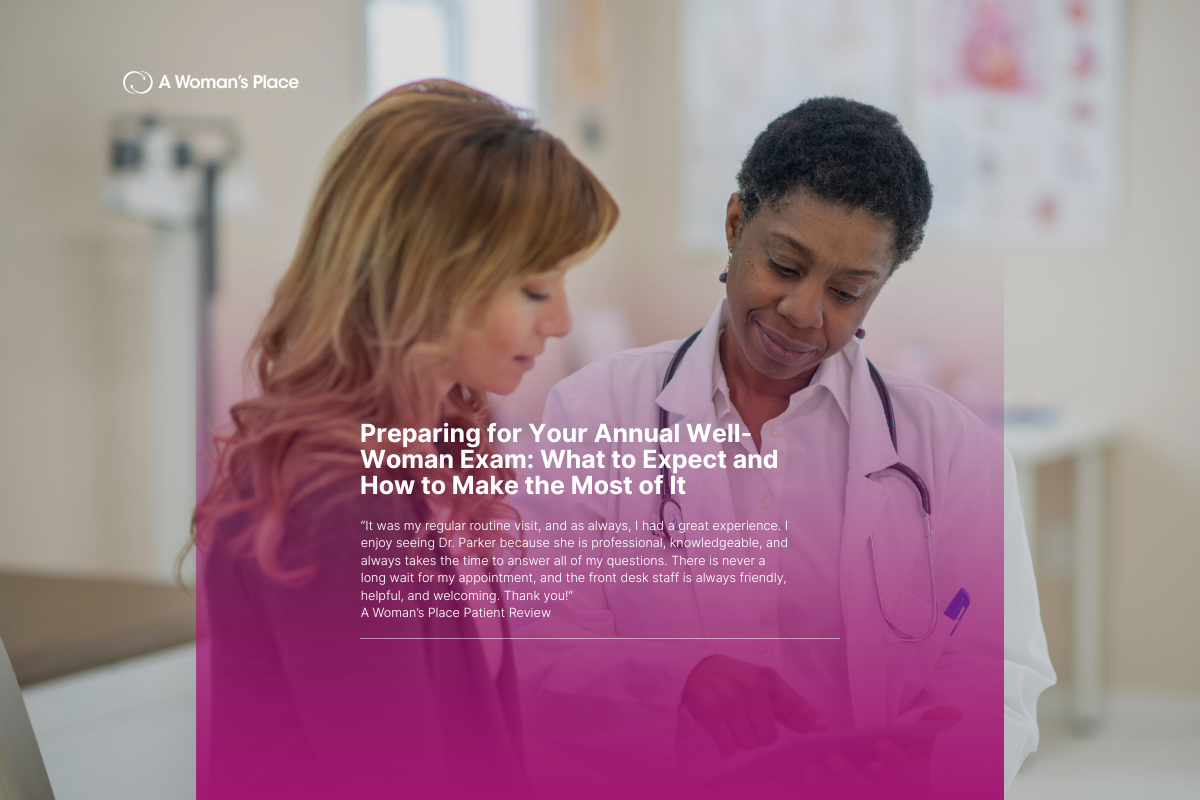
| “It was my regular routine visit, and as always, I had a great experience. I enjoy seeing Dr. Parker because she is professional, knowledgeable, and always takes the time to answer all of my questions. There is never a long wait for my appointment, and the front desk staff is always friendly, helpful, and welcoming. Thank you!” —A Woman’s Place Patient Testimonial |
What Happens at a Well-Woman Exam?
The well-woman exam is not just a Pap smear, though that can be part of it. It is a comprehensive check-in on your reproductive and overall health that typically includes:
A Conversation First
Your provider will start by reviewing your medical history and asking about any changes since your last visit. This is your opportunity to mention anything that has been on your mind, whether that is changes in your period, new symptoms, concerns about contraception, questions about menopause, or anything else related to your health. Nothing is too small to mention. We would much rather you bring something up and have it be nothing than carry a worry home unaddressed.
Physical Exam
A general physical exam typically includes checking your blood pressure, weight, and heart and lung function. Your provider will also perform a clinical breast exam, feeling for any lumps or changes in breast tissue. If you are due for a mammogram, we can discuss timing and schedule one, including our in-office 3D breast imaging, which offers more detailed detection than traditional mammography.
Pelvic Exam
A pelvic exam allows your provider to visually assess the external genitalia and evaluate the uterus and ovaries through a bimanual examination. It is brief and should not be painful, though it can feel uncomfortable. If you experience pain during a pelvic exam, please tell your provider immediately.
Pap Smear and HPV Testing
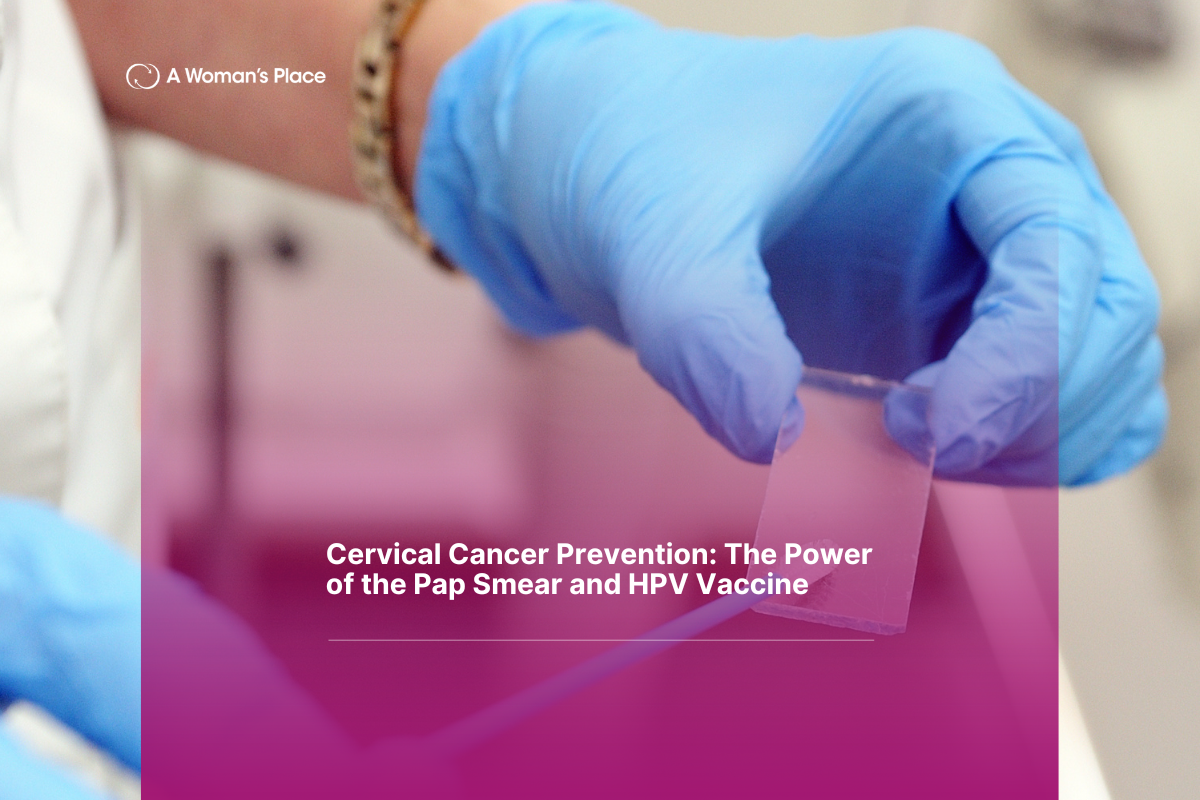
A Pap smear collects cells from the cervix to check for any changes that could indicate precancer or cancer. It is one of the most effective cancer screening tools available. Current guidelines recommend:
- Ages 21 to 29: Pap smear every 3 years. HPV testing is not routinely included at this age.
- Ages 30 to 65: Co-testing (Pap smear plus HPV test) every 5 years is the preferred approach, though a Pap smear alone every 3 years is also acceptable.
- After 65: Screening may be discontinued if you have had consistently normal results and no high-grade abnormalities in the past 25 years.
Not every well-woman exam includes a Pap smear, depending on when your last one was and your results. Your provider will let you know whether one is due at your visit.
Lab Work
Depending on your age, health history, and risk factors, your provider may order bloodwork to check cholesterol, blood sugar, thyroid function, vitamin D levels, or other markers. This is a good opportunity to make sure you are not missing anything that could affect how you feel now or your health down the road.
How to Prepare
A little preparation goes a long way in making your well-woman exam as useful as possible:
- Bring a list of your current medications and supplements, including over-the-counter products and vitamins.
- Note any changes in your menstrual cycle, including timing, heaviness, pain, or spotting between periods.
- Write down questions or concerns before your appointment. It is easy to forget things once you are in the room.
- If possible, schedule your exam when you are not on your period, as this makes the Pap smear easier to perform and interpret.
- Know your family history, particularly any history of breast, ovarian, cervical, or colon cancer, heart disease, or osteoporosis. This information helps your provider personalize your screening plan.
Do Not Save Your Questions for the Parking Lot
One of the things we hear most often from patients is that they thought of their most important question on the way home. Please do not let that be you. Your annual exam is your dedicated time with your provider, and no question is too minor or too embarrassing to ask. That includes questions about sex, your relationship with your body, changes in desire, vaginal dryness, mood, bladder leakage, or anything else that is affecting your quality of life.
These are all things your provider hears about regularly, takes seriously, and can help with.
Well-Woman Care at Every Stage
Whether you are coming in for your first gynecological exam as a young woman, navigating your 30s and 40s, or managing health through perimenopause and menopause, A Woman’s Place offers personalized care for wherever you are. We also offer contraception counseling, gynecologic ultrasound, and a full range of gynecologic surgery options when needed, all under one roof.
Your annual exam is not just a box to check. It is a relationship with a care team that knows you, tracks your history, and is invested in your long-term health. We look forward to seeing you.
| “Dr. Jones was personable and knowledgeable. She didn’t rush. ” —A Woman’s Place Patient Testimonial |
To learn more or schedule an appointment, Schedule your well-woman exam at A Woman’s Place or call us at 239.513.0053.
If it has been a while since your last well-woman exam, you are not alone. Life gets busy, the appointment feels easy to push off when nothing is obviously wrong, and for many women, there is a little anxiety about what might come up. But the annual well-woman exam is one of the most valuable things you can do for your long-term health, precisely because it is about catching things early, when they are most manageable, rather than waiting until something becomes a problem.
Whether you are coming in for the first time or the twentieth, knowing what to expect makes the whole experience easier. Here is a clear, friendly guide to what the annual well-woman exam involves, how to prepare, and how to make sure you are getting the most out of your time with your provider.
At A Woman’s Place, our annual gynecological exam is designed to be thorough, comfortable, and personalized to wherever you are in life. We have been caring for women in Naples since 1988, and every visit reflects that commitment.
| “It was my regular routine visit, and as always, I had a great experience. I enjoy seeing Dr. Parker because she is professional, knowledgeable, and always takes the time to answer all of my questions. There is never a long wait for my appointment, and the front desk staff is always friendly, helpful, and welcoming. Thank you!” —A Woman’s Place Patient Testimonial |
What Happens at a Well-Woman Exam?
The well-woman exam is not just a Pap smear, though that can be part of it. It is a comprehensive check-in on your reproductive and overall health that typically includes:
A Conversation First
Your provider will start by reviewing your medical history and asking about any changes since your last visit. This is your opportunity to mention anything that has been on your mind, whether that is changes in your period, new symptoms, concerns about contraception, questions about menopause, or anything else related to your health. Nothing is too small to mention. We would much rather you bring something up and have it be nothing than carry a worry home unaddressed.
Physical Exam
A general physical exam typically includes checking your blood pressure, weight, and heart and lung function. Your provider will also perform a clinical breast exam, feeling for any lumps or changes in breast tissue. If you are due for a mammogram, we can discuss timing and schedule one, including our in-office 3D breast imaging, which offers more detailed detection than traditional mammography.
Pelvic Exam
A pelvic exam allows your provider to visually assess the external genitalia and evaluate the uterus and ovaries through a bimanual examination. It is brief and should not be painful, though it can feel uncomfortable. If you experience pain during a pelvic exam, please tell your provider immediately.
Pap Smear and HPV Testing
A Pap smear collects cells from the cervix to check for any changes that could indicate precancer or cancer. It is one of the most effective cancer screening tools available. Current guidelines recommend:
- Ages 21 to 29: Pap smear every 3 years. HPV testing is not routinely included at this age.
- Ages 30 to 65: Co-testing (Pap smear plus HPV test) every 5 years is the preferred approach, though a Pap smear alone every 3 years is also acceptable.
- After 65: Screening may be discontinued if you have had consistently normal results and no high-grade abnormalities in the past 25 years.
Not every well-woman exam includes a Pap smear, depending on when your last one was and your results. Your provider will let you know whether one is due at your visit.
Lab Work
Depending on your age, health history, and risk factors, your provider may order bloodwork to check cholesterol, blood sugar, thyroid function, vitamin D levels, or other markers. This is a good opportunity to make sure you are not missing anything that could affect how you feel now or your health down the road.
How to Prepare
A little preparation goes a long way in making your well-woman exam as useful as possible:
- Bring a list of your current medications and supplements, including over-the-counter products and vitamins.
- Note any changes in your menstrual cycle, including timing, heaviness, pain, or spotting between periods.
- Write down questions or concerns before your appointment. It is easy to forget things once you are in the room.
- If possible, schedule your exam when you are not on your period, as this makes the Pap smear easier to perform and interpret.
- Know your family history, particularly any history of breast, ovarian, cervical, or colon cancer, heart disease, or osteoporosis. This information helps your provider personalize your screening plan.
Do Not Save Your Questions for the Parking Lot
One of the things we hear most often from patients is that they thought of their most important question on the way home. Please do not let that be you. Your annual exam is your dedicated time with your provider, and no question is too minor or too embarrassing to ask. That includes questions about sex, your relationship with your body, changes in desire, vaginal dryness, mood, bladder leakage, or anything else that is affecting your quality of life.
These are all things your provider hears about regularly, takes seriously, and can help with.
Well-Woman Care at Every Stage
Whether you are coming in for your first gynecological exam as a young woman, navigating your 30s and 40s, or managing health through perimenopause and menopause, A Woman’s Place offers personalized care for wherever you are. We also offer contraception counseling, gynecologic ultrasound, and a full range of gynecologic surgery options when needed, all under one roof.
Your annual exam is not just a box to check. It is a relationship with a care team that knows you, tracks your history, and is invested in your long-term health. We look forward to seeing you.
| “Dr. Jones was personable and knowledgeable. She didn’t rush. ” —A Woman’s Place Patient Testimonial |
To learn more or schedule an appointment, Schedule your well-woman exam at A Woman’s Place or call us at 239.513.0053.