At 31 weeks, you notice your belly tightening while you fold laundry. It passes. Ten minutes later, it happens again. Is this one of those practice contractions everyone talks about, or is it something you should call about?
That uncertainty is one of the most common worries of the third trimester, and learning the difference can bring real peace of mind. November is Prematurity Awareness Month, and World Prematurity Day is November 17. At A Woman’s Place, we want every mom in Naples to know the warning signs of preterm labor and to feel completely comfortable picking up the phone.
What Is Preterm Labor?
Preterm labor is labor that begins before 37 weeks of pregnancy. It means regular contractions are causing the cervix to thin and open earlier than it should. Preterm labor does not always lead to preterm birth. With prompt attention, it can sometimes be slowed, and even a few extra days allow time for treatments that help your baby.
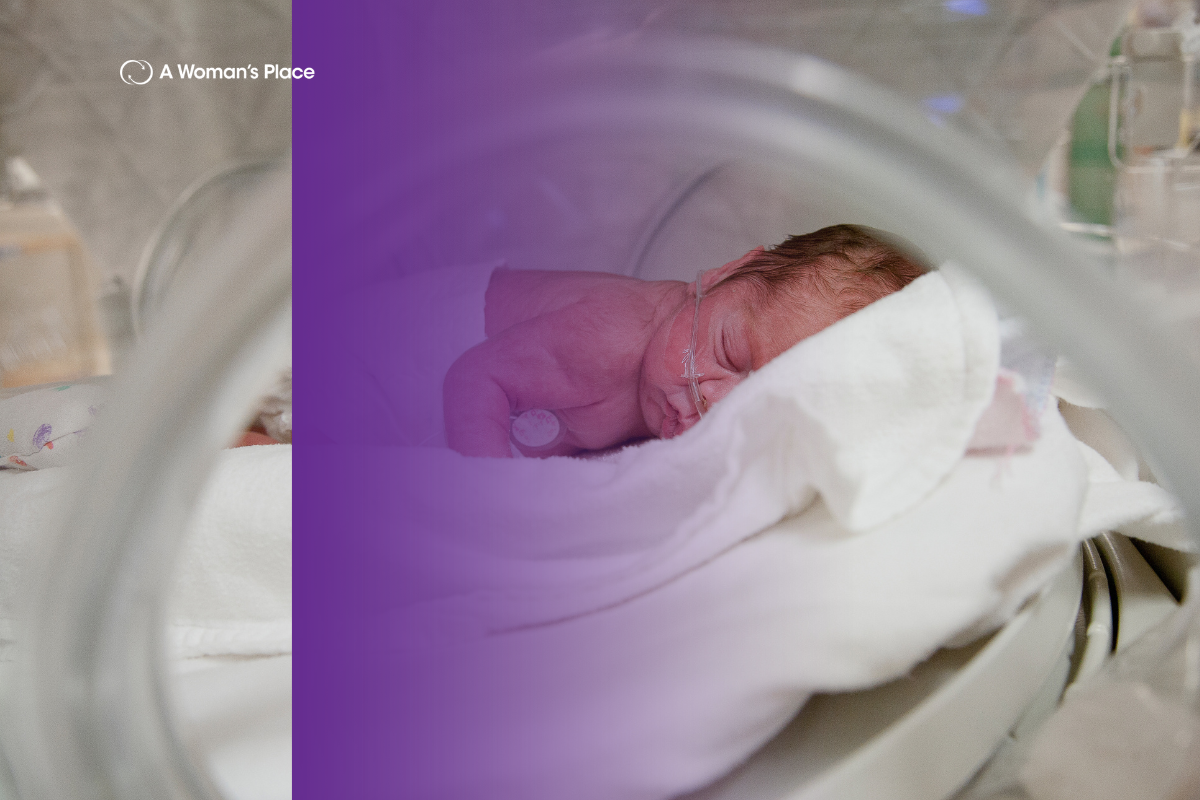
Early birth is more common than many families expect. According to the March of Dimes 2025 Report Card, 10.7% of babies in Florida were born preterm in 2024. That is nearly 24,000 infants, and a rate slightly above the national average of 10.4%. The final weeks of pregnancy matter because a baby’s lungs, brain, and ability to feed are still developing.
Preterm Labor Warning Signs
The American College of Obstetricians and Gynecologists (ACOG) advises calling your provider if you notice any of these signs before 37 weeks:
- Contractions or tightening of the belly that come regularly or often
- A low, dull backache that does not go away
- Pressure in the pelvis or lower belly, as if the baby is pushing down
- Mild cramps, with or without diarrhea
- A change in vaginal discharge, especially if it becomes watery, mucus-like, or bloody
- A gush or steady trickle of fluid from the vagina
Symptoms can be subtle. Many women describe preterm labor as feeling “off” or like menstrual cramps, not the dramatic contractions shown on television. If something feels different to you, that is reason enough to call.
| A Woman’s Place Patient Testimonial
“Jessica, our nurse midwife, is patient, knowledgeable, respectful, supportive, and caring.” |
Braxton Hicks or True Contractions?
Braxton Hicks contractions are your uterus practicing. They are usually irregular, do not grow steadily stronger, and often ease when you change positions, rest, or drink water. True labor contractions settle into a pattern. They come closer together, last longer, and intensify regardless of what you do.
A helpful first step is to empty your bladder, drink two or three glasses of water, lie on your left side, and time the tightening. Dehydration is a common trigger for contractions, and in Southwest Florida’s heat, it can sneak up quickly. If the contractions continue after an hour, grow stronger, or come with any of the other signs above, call us. You never need to be certain before reaching out.
Who to Call and When
During office hours, call us at (239) 513-0053. After hours, our emergency line is (239) 498-3227. If you think you are in labor, your water has broken, your baby is moving less than usual, or you have heavy bleeding outside of office hours, go to The Birth Place at North Collier Hospital to be evaluated. For any life-threatening emergency, call 911.
Who Is at Higher Risk?
Preterm labor can happen in any pregnancy, and often no cause is found. Some factors do raise the likelihood. The strongest is having delivered early before. Others include carrying twins or more, a short cervix, becoming pregnant less than 18 months after a previous birth, and a past procedure on the cervix. Infections of the urinary tract or vagina, chronic conditions such as high blood pressure and diabetes, tobacco use, and high levels of ongoing stress also play a part.
Having a risk factor does not mean you will deliver early. It means we will watch more closely. Our team is experienced in managing high-risk pregnancies, and we partner with maternal-fetal medicine specialists when additional expertise is helpful.
What Happens When You Come In
If you are evaluated for possible preterm labor, we monitor your contractions and your baby’s heart rate, examine your cervix, and may perform an ultrasound to measure cervical length. A swab test called fetal fibronectin can help predict whether delivery is likely in the near future. Often the news is reassuring, and you go home with instructions to rest and hydrate.
When preterm labor is confirmed, treatment focuses on giving your baby the best possible start. Corticosteroid injections speed lung development. Magnesium sulfate can protect the brain of a very early baby. Medications that slow contractions can buy the time those treatments need to work.
Lowering Your Risk
No one can prevent every early birth, but good prenatal care improves the odds. Our pregnancy care visits are scheduled once a month until 28 weeks, every two weeks until 36 weeks, and weekly after that, which gives us regular opportunities to catch changes. Tell us about any history of early delivery, since treatments such as vaginal progesterone can help some women with a short cervix. Report burning with urination or unusual discharge promptly. Drink plenty of water, rest when you need to, and avoid tobacco and alcohol.
Many of our patients also enjoy CenteringPregnancy, which combines prenatal checkups with group discussion. It is a wonderful place to learn the warning signs alongside other expecting moms.
A Note for Holiday Travelers
With Thanksgiving and the winter holidays ahead, many Naples families will be traveling or hosting guests. If you are in your third trimester, talk with us before any trip, carry a copy of your prenatal records, and know where the nearest hospital is at your destination. Long days on your feet and too little water can bring on contractions, so build in rest and keep a water bottle close.
| A Woman’s Place Patient Testimonial
“Dr. Jones constantly made me feel confident and informed about my pregnancy, my baby and was thorough about answering any questions I had or listening to complaints or issues I was having. She was kind, friendly and overall a fantastic physician.” |
Trust What You Feel
You know your body better than anyone. Most twinges and tightenings in the third trimester turn out to be normal, and calling about them is never an overreaction. It is exactly what we want you to do. A Woman’s Place has cared for Naples families since 1988, and we are here for the questions as much as the big moments.
If you are expecting and looking for attentive, experienced care, request an appointment or call (239) 513-0053. We will be with you every step of the way.