By: A Woman’s Place in Naples, FL
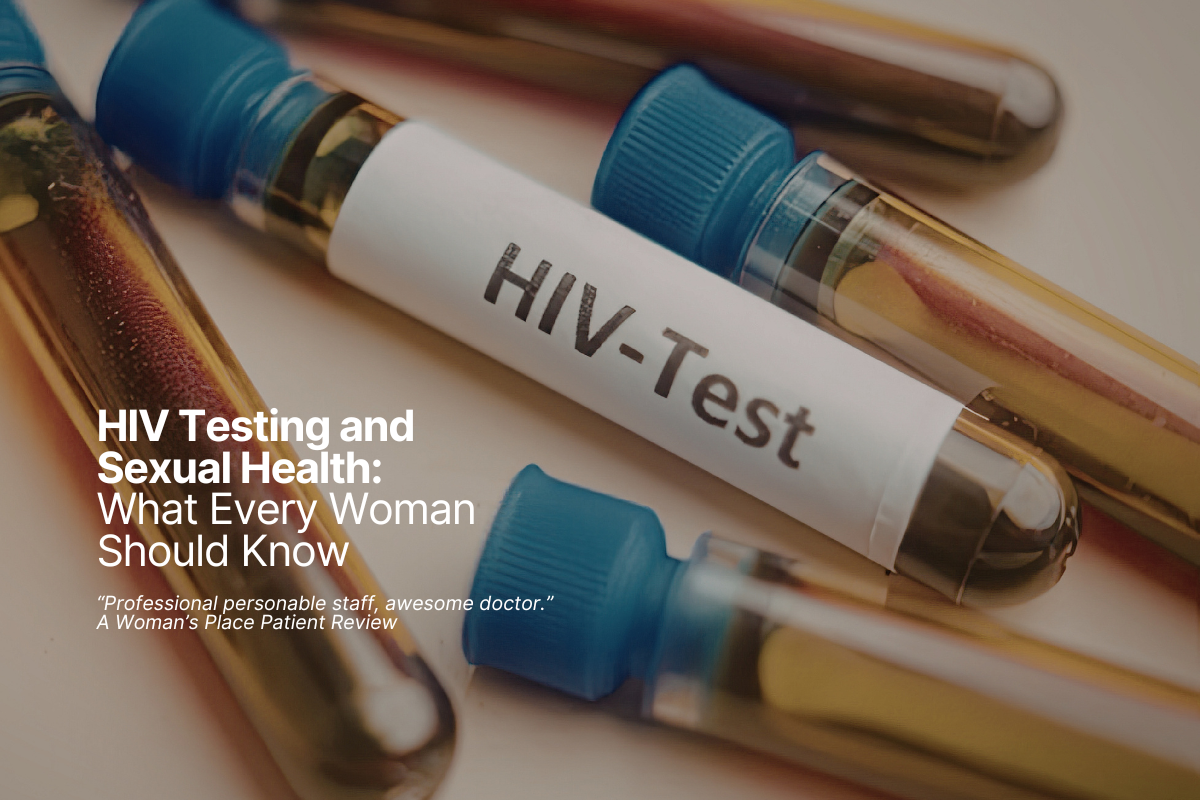
June 27th is National HIV Testing Day and it’s a reminder that HIV testing is a routine, empowering part of women’s healthcare, not something to fear or avoid. At A Woman’s Place, we believe every woman deserves accurate information and judgment-free care when it comes to her sexual health. Whether you’ve never been tested or you’re due for an update, here’s what you need to know.
Why HIV Testing Matters for Women
HIV (Human Immunodeficiency Virus) affects women of all ages, backgrounds, and sexual orientations and yet many women don’t realize they’re at risk or that routine testing is recommended. According to the CDC, women account for roughly 1 in 5 new HIV diagnoses in the United States each year. Black and Latina women are disproportionately affected, underscoring the importance of removing barriers to testing and care.
The good news: when HIV is detected early, it can be managed effectively with antiretroviral therapy. People living with HIV who are on treatment and maintain an undetectable viral load can live long, healthy lives and cannot transmit the virus to sexual partners. Early detection truly changes outcomes.
Who Should Get Tested and How Often?
The U.S. Preventive Services Task Force (USPSTF) and the CDC recommend that all adults ages 15–65 be tested for HIV at least once as part of routine healthcare. Women who are at higher risk — including those with multiple sexual partners, those who have had a sexually transmitted infection (STI), or those who use injectable drugs — should be tested more frequently, at least annually.
All pregnant women should be tested for HIV during their first prenatal visit, and again in the third trimester if they are at higher risk. Early detection during pregnancy is critical, as treatment dramatically reduces the risk of passing HIV to the baby.
HIV testing is a standard part of our comprehensive prenatal screening at A Woman’s Place. Learn more about our obstetrics and prenatal care and the screenings we include to keep you and your baby healthy.
“Professional personable staff, awesome doctor.”
A Woman’s Place Patient Review
What to Expect from HIV Testing
HIV testing is simple, quick, and confidential. There are several types of tests available, including blood tests and oral swab tests. Most modern HIV tests can detect infection within 18–45 days of exposure, though testing too soon after a potential exposure may produce a false negative which is why follow-up testing is sometimes recommended.
At your appointment, your provider will review your health history, discuss any concerns, and recommend the most appropriate test for your situation. Results are typically available within days for standard blood tests, or even within the same visit for rapid testing options.
Beyond HIV: A Holistic Approach to Sexual Health
Sexual health encompasses much more than HIV status. A complete sexual health conversation with your provider may include screening for other STIs such as chlamydia, gonorrhea, syphilis, hepatitis B and C, and HPV; discussion of vaccines like the HPV vaccine; review of your contraception method; and screening for intimate partner violence which affects one in four women in the U.S.
Our first well-woman visit includes a thorough conversation about pregnancy prevention, sexually transmitted diseases, and any concerns you may have about your sexual health. We approach these conversations with compassion, without judgment, and with your privacy and dignity as our top priorities.
Schedule your gynecology wellness visit today to discuss sexual health screenings that are right for you.
Reducing Stigma, Increasing Access
One of the biggest barriers to HIV testing and sexual health care in general is stigma. Many women delay testing out of fear, embarrassment, or concern about what a positive result would mean. We want to be clear: seeking testing is an act of self-care and responsibility, not a reflection of your character or choices. Our providers are here to support you, not judge you.
If a result does come back positive, you will not be alone. We will connect you with resources, specialists, and support to begin treatment and maintain your health. An HIV diagnosis today is not what it was decades ago: it is a manageable, chronic condition with many effective treatment options.
“She listened to my concern to do the most conservative approach and gave me options for the next step procedure.”
A Woman’s Place Patient Review
Take Action This National HIV Testing Day
This June 27th, consider making your appointment for HIV testing part of your broader commitment to women’s health. At A Woman’s Place, we offer comprehensive sexual health services in a welcoming, private setting. Whether you’re coming in for your annual exam, a prenatal visit, or specifically for STI screening, our team is here for you.
New patients are welcome: call (239) 513-0053 or visit our appointment request page to get started. We have two convenient locations in North Naples to serve you.
By: A Woman’s Place in Naples, FL
June 27th is National HIV Testing Day and it’s a reminder that HIV testing is a routine, empowering part of women’s healthcare, not something to fear or avoid. At A Woman’s Place, we believe every woman deserves accurate information and judgment-free care when it comes to her sexual health. Whether you’ve never been tested or you’re due for an update, here’s what you need to know.
Why HIV Testing Matters for Women
HIV (Human Immunodeficiency Virus) affects women of all ages, backgrounds, and sexual orientations and yet many women don’t realize they’re at risk or that routine testing is recommended. According to the CDC, women account for roughly 1 in 5 new HIV diagnoses in the United States each year. Black and Latina women are disproportionately affected, underscoring the importance of removing barriers to testing and care.
The good news: when HIV is detected early, it can be managed effectively with antiretroviral therapy. People living with HIV who are on treatment and maintain an undetectable viral load can live long, healthy lives and cannot transmit the virus to sexual partners. Early detection truly changes outcomes.
Who Should Get Tested and How Often?
The U.S. Preventive Services Task Force (USPSTF) and the CDC recommend that all adults ages 15–65 be tested for HIV at least once as part of routine healthcare. Women who are at higher risk — including those with multiple sexual partners, those who have had a sexually transmitted infection (STI), or those who use injectable drugs — should be tested more frequently, at least annually.
All pregnant women should be tested for HIV during their first prenatal visit, and again in the third trimester if they are at higher risk. Early detection during pregnancy is critical, as treatment dramatically reduces the risk of passing HIV to the baby.
HIV testing is a standard part of our comprehensive prenatal screening at A Woman’s Place. Learn more about our obstetrics and prenatal care and the screenings we include to keep you and your baby healthy.
“Professional personable staff, awesome doctor.”
A Woman’s Place Patient Review
What to Expect from HIV Testing
HIV testing is simple, quick, and confidential. There are several types of tests available, including blood tests and oral swab tests. Most modern HIV tests can detect infection within 18–45 days of exposure, though testing too soon after a potential exposure may produce a false negative which is why follow-up testing is sometimes recommended.
At your appointment, your provider will review your health history, discuss any concerns, and recommend the most appropriate test for your situation. Results are typically available within days for standard blood tests, or even within the same visit for rapid testing options.
Beyond HIV: A Holistic Approach to Sexual Health
Sexual health encompasses much more than HIV status. A complete sexual health conversation with your provider may include screening for other STIs such as chlamydia, gonorrhea, syphilis, hepatitis B and C, and HPV; discussion of vaccines like the HPV vaccine; review of your contraception method; and screening for intimate partner violence which affects one in four women in the U.S.
Our first well-woman visit includes a thorough conversation about pregnancy prevention, sexually transmitted diseases, and any concerns you may have about your sexual health. We approach these conversations with compassion, without judgment, and with your privacy and dignity as our top priorities.
Schedule your gynecology wellness visit today to discuss sexual health screenings that are right for you.
Reducing Stigma, Increasing Access
One of the biggest barriers to HIV testing and sexual health care in general is stigma. Many women delay testing out of fear, embarrassment, or concern about what a positive result would mean. We want to be clear: seeking testing is an act of self-care and responsibility, not a reflection of your character or choices. Our providers are here to support you, not judge you.
If a result does come back positive, you will not be alone. We will connect you with resources, specialists, and support to begin treatment and maintain your health. An HIV diagnosis today is not what it was decades ago: it is a manageable, chronic condition with many effective treatment options.
“She listened to my concern to do the most conservative approach and gave me options for the next step procedure.”
A Woman’s Place Patient Review
Take Action This National HIV Testing Day
This June 27th, consider making your appointment for HIV testing part of your broader commitment to women’s health. At A Woman’s Place, we offer comprehensive sexual health services in a welcoming, private setting. Whether you’re coming in for your annual exam, a prenatal visit, or specifically for STI screening, our team is here for you.
New patients are welcome: call (239) 513-0053 or visit our appointment request page to get started. We have two convenient locations in North Naples to serve you.