Your calendar is filling up. There are school programs, travel plans, holiday dinners, and a to-do list that seems to grow overnight. Somewhere near the bottom sits the appointment you meant to make back in the spring: your annual well-woman visit.
If that sounds familiar, you are in good company, and you still have time. At A Woman’s Place, we see many Naples women in the final weeks of the year, and for good reason. Here is why now is a smart time to schedule your annual well-woman visit, and how to make the most of it.
Your Benefits May Be Working in Your Favor
Under the Affordable Care Act, most insurance plans cover one preventive well-woman visit each year at no cost to you. For many plans, that benefit follows the calendar year, and it does not carry over. If you have not used this year’s visit, it disappears on January 1.
Timing matters for another reason. If your visit leads to follow-up care, such as an ultrasound, a procedure, or additional lab work, those services usually count toward your deductible. By late in the year, many women have already met part or all of theirs, which can lower out-of-pocket costs. In January, most deductibles start over. If you have a flexible spending account, those funds often expire at year’s end too. Coverage varies, so a quick call to the number on your insurance card is the best way to confirm your own benefits.
Naples Gets Busy After the Holidays
Anyone who lives here year-round knows what happens when season arrives. Roads, restaurants, and appointment calendars can all fill up from January through spring. Scheduling before the new year often means more choice of days and times.
An Annual Visit Is About More Than a Pap Test
Many women assume they can skip a year because they are not due for a Pap test. Screening guidelines have changed, and most women now need cervical cancer screening only every three to five years. Your annual visit, though, covers far more than that single test.
It is a full review of your health with someone who knows your history. We check your blood pressure and weight, perform a breast exam and a pelvic exam when appropriate, and talk about your periods, contraception, sexual health, mood, sleep, and anything that has changed since last year. Our guide to what to expect at your annual GYN exam walks through the visit step by step. Many conditions we screen for cause no symptoms in their early stages, which is exactly why a yearly check-in matters.
| A Woman’s Place Patient Testimonial
“Dr. Miller was kind and took time to go over all my symptoms with me. The office staff was equally as great. I would definitely recommend this office.” |
What May Have Changed Since Last Year
A lot can shift in twelve months. A parent or sibling may have received a new diagnosis that affects your own screening plan. You may have started a medication, noticed changes in your cycle, or begun thinking about pregnancy. If you are in your forties, the first signs of perimenopause, such as irregular periods, night sweats, or disrupted sleep, may have appeared. Each of these is worth a conversation, and each can change what we recommend.
Screenings to Ask About by Age
- In your 20s: A Pap test every three years starting at 21, and yearly chlamydia and gonorrhea screening through age 24
- In your 30s: Cervical cancer screening every three to five years, depending on the test, plus preconception planning if you hope to conceive
- In your 40s: Mammograms beginning at 40, colon cancer screening at 45, and a conversation about perimenopause
- At 50 and beyond: Continued mammograms, menopause care, and bone density testing at 65, or earlier if you have risk factors
These recommendations draw on guidance from the American College of Obstetricians and Gynecologists (ACOG) and the U.S. Preventive Services Task Force. Your personal and family history may call for a different schedule, which is one more reason to review it together each year.
Pair Your Visit With Your Mammogram
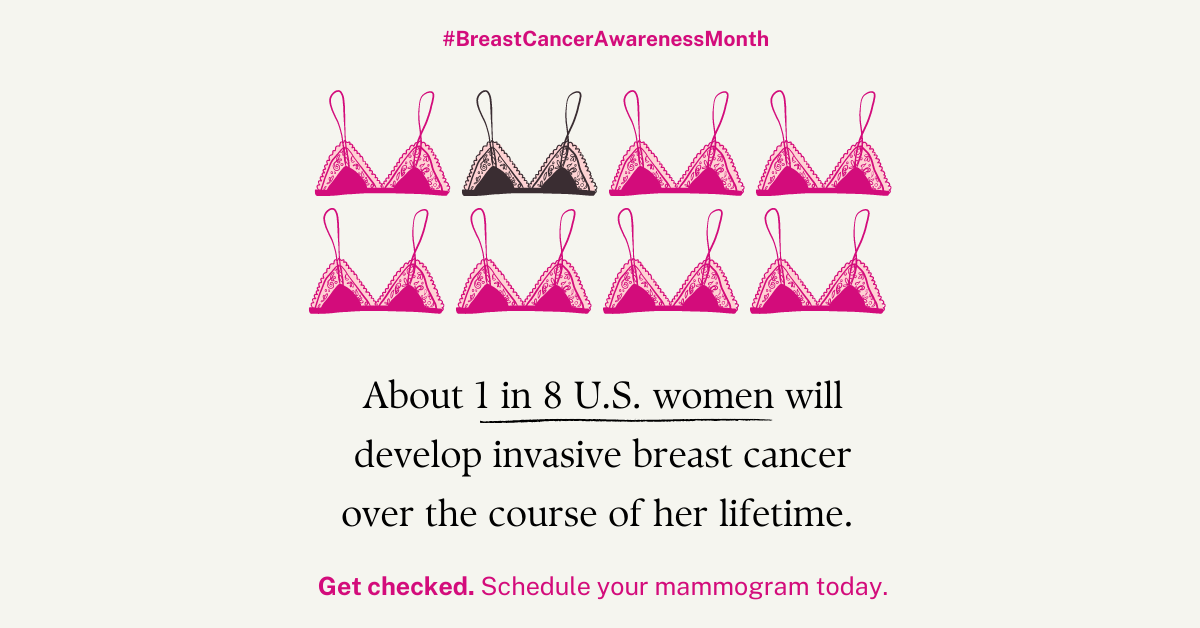
If you are 40 or older, the end of the year is also a convenient time to take care of your mammogram. We offer 3D mammography and breast ultrasound in our office, so you may be able to handle both appointments in one trip. Ask about scheduling them together when you call. October’s pink ribbons have come down, but the reminder still stands. Regular screening finds breast cancer earlier, when it is most treatable.
Do Not Forget Your Vaccines
Your visit is a good time to review vaccines as well. That includes this season’s flu shot, the HPV vaccine if you are 26 or younger, or up to 45 after a discussion with your provider, and a tetanus booster every ten years. If you are pregnant or planning to be, we will talk about which vaccines protect you and your baby.
How to Get the Most From Your Appointment
A little preparation goes a long way. Write down the first day of your last period and any changes in your cycle. Bring a list of your medications and supplements, including doses. Note any new diagnoses in your family, particularly breast, ovarian, uterine, or colon cancer. Most important, jot down your questions ahead of time, starting with the one you are most tempted to leave out. Nothing you bring up will surprise us, and the topics that feel awkward are often the ones that matter most.
If It Has Been More Than a Year
Life happens, and many women go two or three years between visits without meaning to. If that is you, there is no lecture waiting. We will simply start with where you are today, catch up on any screenings that are due, and make a plan for the year ahead. The hardest part is usually making the call.
| A Woman’s Place Patient Testimonial
“Front desk and check out are super nice and calm. They are helping you to calm down no matter in which situation you are. Dr. Shephard is great! He is calm and listens, explains everything and is honest!” |
Give Yourself This Hour
The end of the year is full of things you do for other people. This visit is something you do for yourself, and it sets the tone for a healthy year ahead. A Woman’s Place has cared for women in Naples since 1988, combining today’s technology with yesterday’s care and concern, and we would love to see you before the calendar turns.
Existing patients can schedule online, and new patients can call us at (239) 513-0053. Request an appointment for your annual exam today, while this year’s calendar still has room.