By: A Woman’s Place in Naples, FL
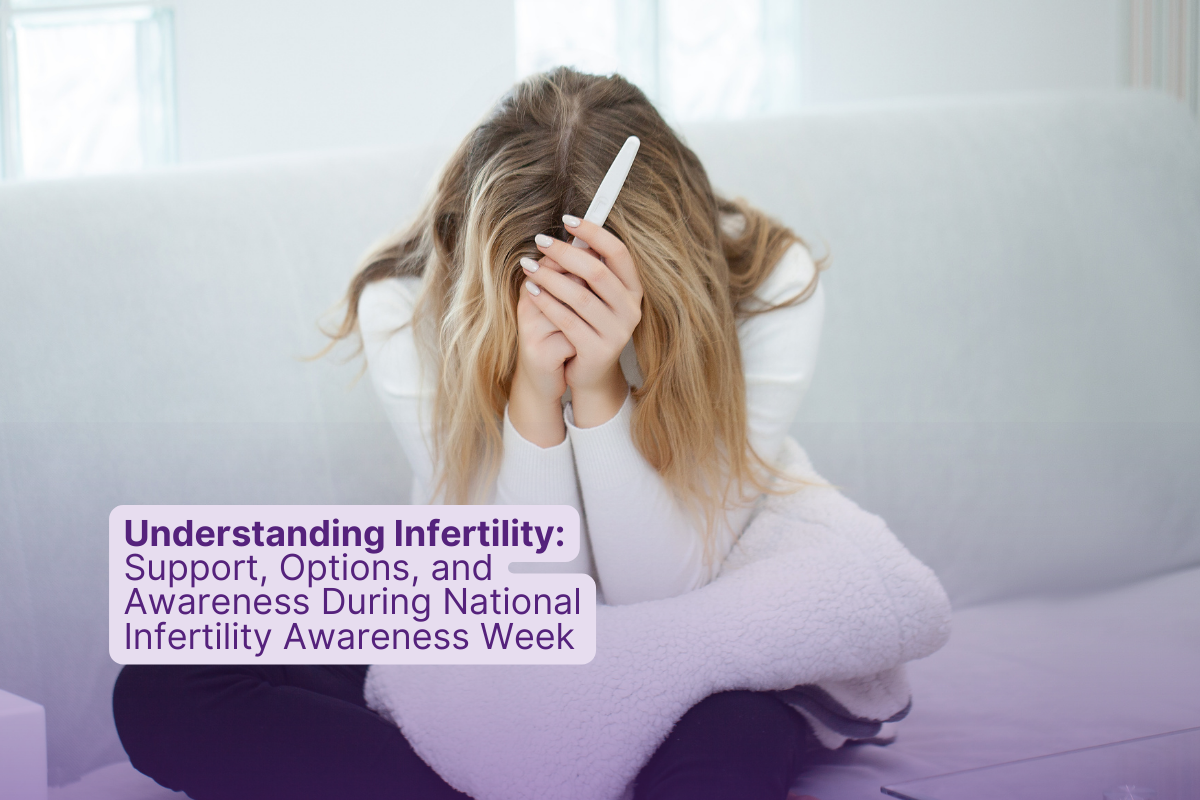
Infertility is far more common than many people realize — yet it remains one of the most misunderstood and emotionally challenging experiences individuals and couples can face. Every year, National Infertility Awareness Week® (NIAW) — observed in the United States during the last full week of April — brings this reality into the spotlight, promoting education, support, and community during what can often feel like an isolating journey. This year’s NIAW theme, “#MoreThan,” celebrates the diversity of experiences with infertility and encourages the world to see beyond stigma to the stories, challenges, and resilience of those navigating family building.
“Way better parking at the cypress office. It was less chaotic and I was in and out in a timely manner!”
A Woman’s Place Patient Review
What Is Infertility and Why Awareness Matters
Infertility is typically defined as the inability to achieve pregnancy after 12 months of regular, unprotected sex — or after six months if a woman is over age 35. While estimates vary, infertility affects an estimated 1 in 6 couples worldwide, making it a pervasive health concern rather than a rare condition.
Despite its prevalence, many people feel that infertility is a private struggle, one they must navigate without support or understanding. This perception contributes to stigma, misinformation, and emotional distress. National Infertility Awareness Week exists to change that narrative. Its goals include:
- Raising public awareness about infertility as a medical and emotional issue.
- Encouraging open conversations and community support.
- Highlighting the need for accessible fertility care, inclusive policies, and compassionate healthcare.
- Empowering individuals to share their unique experiences.
Whether you are just beginning to explore fertility concerns or have been on a long and difficult journey, this week is an opportunity to feel seen, supported, and understood.
The Emotional Impact of Infertility
Infertility affects more than just reproductive health; it often has deep emotional, psychological, and relational implications. Many people describe feelings of isolation, frustration, grief, and disappointment as they navigate treatments, uncertainty, and societal expectations. For individuals and couples trying to conceive, it’s not uncommon for the stress of infertility to affect self-esteem, relationships, and overall well-being.
Recognizing the emotional toll of infertility is an essential part of compassionate care. Support — whether through counseling, support groups, trusted family and friends, or patient communities — plays a vital role in helping individuals feel less alone. During NIAW, many people are encouraged to share their stories as a form of advocacy and healing, showing others that infertility is about so much more than a clinical diagnosis.
Support and Resources for Those Navigating Infertility
If you or someone you love is facing fertility challenges, you are not alone — and there are meaningful ways to find support:
1. Build a Support Network
Whether it’s a partner, close friend, family member, or support group, having people who listen without judgment can create strength through the journey. Many infertility communities — both in person and online — offer spaces where people can share experiences, coping strategies, and encouragement.
2. Seek Professional Guidance
A thorough fertility evaluation is often the first step in understanding individual or couple fertility challenges. Evaluations may include hormone testing, imaging (like ultrasound), semen analysis, and medical history assessments. From there, fertility specialists can recommend an individualized plan tailored to your needs.
At A Woman’s Place, our gynecology and reproductive care team offers compassionate support for women navigating fertility concerns, with a focus on thorough evaluation, education, and shared decision-making.
3. Consider Partner and Family Building Options
Infertility affects people of all genders and sexual orientations. While many may pursue medical fertility treatments, others explore alternative family-building paths such as intrauterine insemination (IUI), in vitro fertilization (IVF), donor sperm or eggs, surrogacy, or adoption. Each path has its own considerations — medical, emotional, and financial — and the choice is personal.
4. Prioritize Emotional Health
Infertility often includes a rollercoaster of emotions. Counseling, therapy, or support groups specializing in reproductive challenges can help individuals and couples navigate grief, anxiety, and the psychological weight that can accompany infertility. Sharing your experience during NIAW or participating in awareness conversations can be a powerful step toward healing.
Medical and Lifestyle Support
For many individuals, infertility is not a single issue but a constellation of factors that may include hormonal imbalances, ovulation disorders, structural issues, age-related fertility decline, or male factor infertility. In many cases, conventional medical therapies treat 85–90% of infertility issues, ranging from medication to stimulate ovulation to surgical interventions or assisted reproductive technologies (ART).
Some common medical approaches include:
- Ovulation induction medications to help trigger the release of eggs.
- Intrauterine insemination (IUI) to place sperm directly in the uterus.
- In vitro fertilization (IVF) — a process in which eggs are retrieved, fertilized in a lab, and embryos are transferred to the uterus.
- Lifestyle interventions and management of underlying conditions, such as thyroid disorders or polycystic ovary syndrome (PCOS).
These options are discussed and tailored in partnership with your healthcare provider.
“Cristina is so caring and always in touch with her patience. Thank you, Cristina, for everything you do to keep my health in check.”
A Woman’s Place Patient Review
Why Awareness Leads to Better Care
By amplifying conversations around infertility, NIAW helps remove stigma and promotes better access to care. In recent years, organizations, clinics, and support networks have expanded resources, educational sessions, and storytelling projects to help people feel empowered and connected. Advocates also work to broaden insurance coverage and support inclusive family building options for all individuals who want to grow their families.
Closing Thoughts: You Are Not Alone
Infertility is more than a medical condition — it touches lives emotionally, socially, and personally. National Infertility Awareness Week is a reminder that there is strength in community, power in sharing our stories, and hope in the many paths to building a family.
If you or a loved one are navigating fertility challenges, reach out, ask questions, learn about your options, and know that support is available. At A Woman’s Place, we are here to walk with you through every question, concern, and step of your journey toward parenthood.
During National Infertility Awareness Week and beyond, let us commit to compassion, awareness, and support — because no one should face infertility alone.
By: A Woman’s Place in Naples, FL
Infertility is far more common than many people realize — yet it remains one of the most misunderstood and emotionally challenging experiences individuals and couples can face. Every year, National Infertility Awareness Week® (NIAW) — observed in the United States during the last full week of April — brings this reality into the spotlight, promoting education, support, and community during what can often feel like an isolating journey. This year’s NIAW theme, “#MoreThan,” celebrates the diversity of experiences with infertility and encourages the world to see beyond stigma to the stories, challenges, and resilience of those navigating family building.
“Way better parking at the cypress office. It was less chaotic and I was in and out in a timely manner!”
A Woman’s Place Patient Review
What Is Infertility and Why Awareness Matters
Infertility is typically defined as the inability to achieve pregnancy after 12 months of regular, unprotected sex — or after six months if a woman is over age 35. While estimates vary, infertility affects an estimated 1 in 6 couples worldwide, making it a pervasive health concern rather than a rare condition.
Despite its prevalence, many people feel that infertility is a private struggle, one they must navigate without support or understanding. This perception contributes to stigma, misinformation, and emotional distress. National Infertility Awareness Week exists to change that narrative. Its goals include:
- Raising public awareness about infertility as a medical and emotional issue.
- Encouraging open conversations and community support.
- Highlighting the need for accessible fertility care, inclusive policies, and compassionate healthcare.
- Empowering individuals to share their unique experiences.
Whether you are just beginning to explore fertility concerns or have been on a long and difficult journey, this week is an opportunity to feel seen, supported, and understood.
The Emotional Impact of Infertility
Infertility affects more than just reproductive health; it often has deep emotional, psychological, and relational implications. Many people describe feelings of isolation, frustration, grief, and disappointment as they navigate treatments, uncertainty, and societal expectations. For individuals and couples trying to conceive, it’s not uncommon for the stress of infertility to affect self-esteem, relationships, and overall well-being.
Recognizing the emotional toll of infertility is an essential part of compassionate care. Support — whether through counseling, support groups, trusted family and friends, or patient communities — plays a vital role in helping individuals feel less alone. During NIAW, many people are encouraged to share their stories as a form of advocacy and healing, showing others that infertility is about so much more than a clinical diagnosis.
Support and Resources for Those Navigating Infertility
If you or someone you love is facing fertility challenges, you are not alone — and there are meaningful ways to find support:
1. Build a Support Network
Whether it’s a partner, close friend, family member, or support group, having people who listen without judgment can create strength through the journey. Many infertility communities — both in person and online — offer spaces where people can share experiences, coping strategies, and encouragement.
2. Seek Professional Guidance
A thorough fertility evaluation is often the first step in understanding individual or couple fertility challenges. Evaluations may include hormone testing, imaging (like ultrasound), semen analysis, and medical history assessments. From there, fertility specialists can recommend an individualized plan tailored to your needs.
At A Woman’s Place, our gynecology and reproductive care team offers compassionate support for women navigating fertility concerns, with a focus on thorough evaluation, education, and shared decision-making.
3. Consider Partner and Family Building Options
Infertility affects people of all genders and sexual orientations. While many may pursue medical fertility treatments, others explore alternative family-building paths such as intrauterine insemination (IUI), in vitro fertilization (IVF), donor sperm or eggs, surrogacy, or adoption. Each path has its own considerations — medical, emotional, and financial — and the choice is personal.
4. Prioritize Emotional Health
Infertility often includes a rollercoaster of emotions. Counseling, therapy, or support groups specializing in reproductive challenges can help individuals and couples navigate grief, anxiety, and the psychological weight that can accompany infertility. Sharing your experience during NIAW or participating in awareness conversations can be a powerful step toward healing.
Medical and Lifestyle Support
For many individuals, infertility is not a single issue but a constellation of factors that may include hormonal imbalances, ovulation disorders, structural issues, age-related fertility decline, or male factor infertility. In many cases, conventional medical therapies treat 85–90% of infertility issues, ranging from medication to stimulate ovulation to surgical interventions or assisted reproductive technologies (ART).
Some common medical approaches include:
- Ovulation induction medications to help trigger the release of eggs.
- Intrauterine insemination (IUI) to place sperm directly in the uterus.
- In vitro fertilization (IVF) — a process in which eggs are retrieved, fertilized in a lab, and embryos are transferred to the uterus.
- Lifestyle interventions and management of underlying conditions, such as thyroid disorders or polycystic ovary syndrome (PCOS).
These options are discussed and tailored in partnership with your healthcare provider.
“Cristina is so caring and always in touch with her patience. Thank you, Cristina, for everything you do to keep my health in check.”
A Woman’s Place Patient Review
Why Awareness Leads to Better Care
By amplifying conversations around infertility, NIAW helps remove stigma and promotes better access to care. In recent years, organizations, clinics, and support networks have expanded resources, educational sessions, and storytelling projects to help people feel empowered and connected. Advocates also work to broaden insurance coverage and support inclusive family building options for all individuals who want to grow their families.
Closing Thoughts: You Are Not Alone
Infertility is more than a medical condition — it touches lives emotionally, socially, and personally. National Infertility Awareness Week is a reminder that there is strength in community, power in sharing our stories, and hope in the many paths to building a family.
If you or a loved one are navigating fertility challenges, reach out, ask questions, learn about your options, and know that support is available. At A Woman’s Place, we are here to walk with you through every question, concern, and step of your journey toward parenthood.
During National Infertility Awareness Week and beyond, let us commit to compassion, awareness, and support — because no one should face infertility alone.