By: A Woman’s Place in Naples, FL
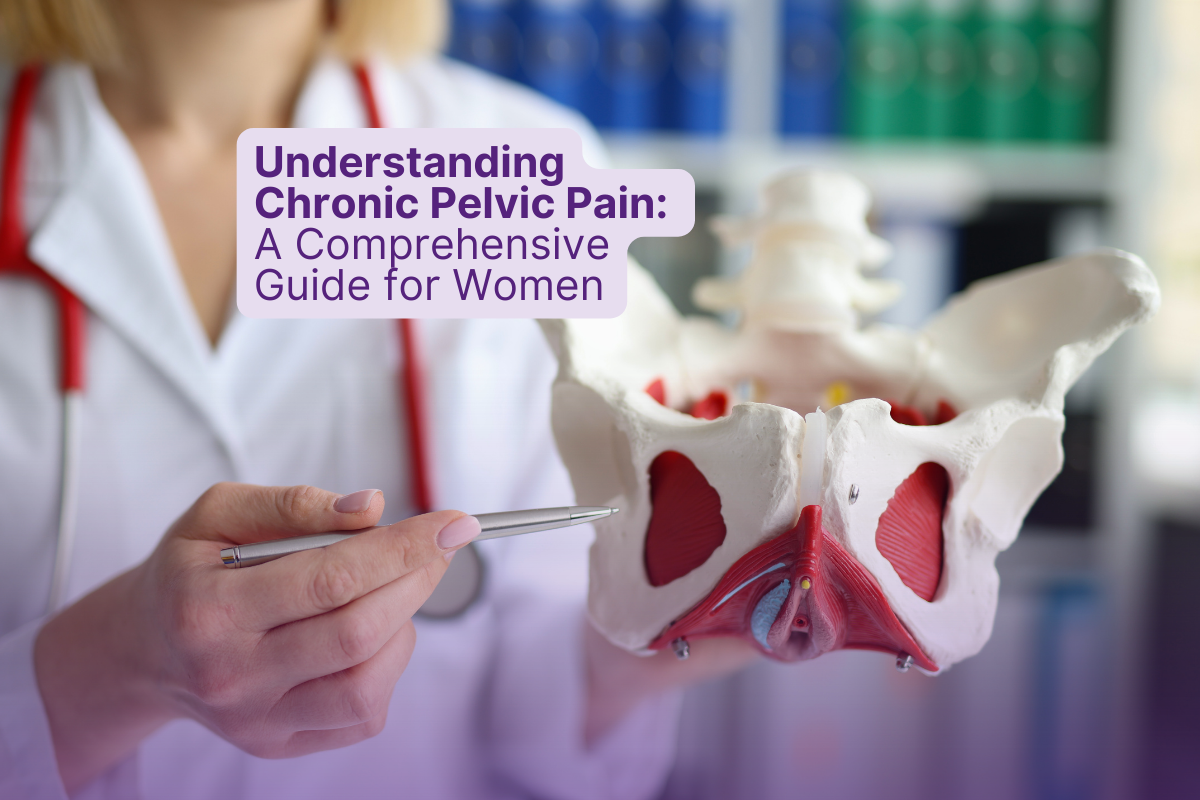
Chronic pelvic pain is one of the most challenging and misunderstood health issues many women face. It affects millions of people with female anatomy, yet it is frequently dismissed, misdiagnosed, or attributed to “normal” menstrual discomfort despite its profound impact on quality of life. At A Woman’s Place in Naples, we believe that awareness, early recognition, and a thoughtful, multidisciplinary care approach are essential to helping women live fully and comfortably. This guide explains what chronic pelvic pain is, why it happens, how it is evaluated, and what treatment paths are available so that women can advocate for the care they deserve.
What Is Chronic Pelvic Pain?
Chronic pelvic pain is pain located in the lower abdomen or pelvis that lasts six months or longer. It can be persistent (constant) or intermittent (comes and goes), and its intensity varies from mild discomfort to debilitating pain that prevents daily activities, exercise, or sleep. The pain may feel like a deep ache, sharp cramps, pressure, or heaviness. For many women, it may occur during sex, urination, bowel movements, or prolonged sitting and standing.
Unlike short-term pain caused by menstruation or infections that resolve with treatment, chronic pelvic pain persists beyond the expected period of healing. It may be accompanied by other symptoms such as bladder urgency, frequent urination, bloating, or bowel disturbances.
“Always enjoy my conversations with Dr. Heitmann.”
A Woman’s Place Patient Review
Why Chronic Pelvic Pain Happens
Chronic pelvic pain is a complex condition that can have multiple overlapping causes. In some cases, a specific disease process can be identified; in others, no single cause emerges even after thorough evaluation. Important contributors include:
Reproductive System Conditions
- Endometriosis — endometrial-like tissue grows outside the uterus, causing inflammation, scarring, and cyclical pain.
- Adenomyosis — tissue from the uterine lining grows into the uterine wall, often producing heavy, painful periods.
- Fibroids — noncancerous uterine growths that can press on pelvic structures and cause pain or heaviness.
- Pelvic inflammatory disease (PID) — chronic inflammation or scarring from past infections.
Musculoskeletal and Nerve-Related Sources
- Pelvic floor dysfunction — spasms, tightness, or weakness in the muscles supporting pelvic organs.
- Nerve irritation or injury — such as pudendal neuralgia caused by nerve compression.
- Musculoskeletal issues — tension or trigger points in connective tissues and fascia.
Gastrointestinal and Urinary Causes
- Irritable bowel syndrome (IBS) and related bowel dysfunction.
- Painful bladder syndrome / interstitial cystitis — a chronic bladder condition causing pelvic pain and urinary symptoms.
Psychological and Emotional Factors
Chronic pain is influenced by the mind-body connection. Depression, anxiety, stress, and a history of trauma can increase pain sensitivity and make symptoms more difficult to treat.
Often, more than one of these factors contributes to the pain a woman experiences, requiring a comprehensive and collaborative evaluation.
How Chronic Pelvic Pain Is Evaluated
Evaluation begins with a detailed medical history and physical examination. Providers specializing in women’s health — including obstetrician-gynecologists — are trained to look for clues about both reproductive and non-reproductive sources of pain. Diagnostic testing may include:
- Pelvic ultrasound, to evaluate reproductive organs.
- Advanced imaging (e.g., MRI) when needed.
- Laparoscopy, a minimally invasive surgical evaluation that allows direct visualization and potential treatment of conditions such as endometriosis.
Because the sources of pain may be multiple or subtle, evaluation often involves multidisciplinary collaboration with gastroenterologists, urogynecologists, pain specialists, and physical therapists to get a complete picture and tailor care.
Treatment: An Individualized, Holistic Approach
There is no one-size-fits-all treatment for chronic pelvic pain. Instead, providers focus on improving function, comfort, and quality of life using a combination of strategies tailored to the individual’s symptoms and underlying causes.
Medical and Hormonal Therapies
- Pain-relieving medications, including nonsteroidal anti-inflammatory drugs (NSAIDs).
- Hormonal medications to regulate menstrual cycles and reduce pain linked to endometriosis or adenomyosis.
- Specific antibiotics when ongoing infections are suspected.
Physical Therapy and Musculoskeletal Care
Pelvic floor physical therapy plays a key role in addressing muscular contributors to pelvic pain. Therapists can help with relaxation techniques, strengthening, trigger point release, posture correction, and biofeedback.
Procedural and Surgical Options
For conditions such as endometriosis, targeted laparoscopic surgery to remove lesions may provide substantial relief. In select cases, surgical solutions such as fibroid removal or, in carefully considered situations, hysterectomy may be discussed.
Lifestyle and Complementary Therapies
Women often benefit from stress management, exercise, diet adjustments, mindfulness practices, and complementary modalities like acupuncture as part of a broad pain management plan.
Psychological Support
Because pain and mood are interconnected, counseling or cognitive behavioral therapy can be valuable in managing the emotional impact of chronic pelvic pain and improving coping strategies.
How A Woman’s Place Can Help
At A Woman’s Place, our approach to chronic pelvic pain begins with listening. We recognize that each woman’s experience is unique and deserves nuanced care. Our gynecologists and team members collaborate across disciplines to provide thorough evaluation and coordinated treatment plans. Whether your pain stems from a clearly identifiable condition like endometriosis or remains without a definitive diagnosis, our priority is to help you regain comfort, function, and confidence in your body.
“Everyone was very patient and attentive.”
A Woman’s Place Patient Review
Your Voice Matters
If you have pelvic pain that lasts longer than six months, interferes with your daily life, or is affecting your emotional well-being, we encourage you to seek care. Documenting your symptoms, tracking patterns, and sharing your story with a trusted provider is the first step toward relief. Chronic pelvic pain is real, and support is available.
By: A Woman’s Place in Naples, FL
Chronic pelvic pain is one of the most challenging and misunderstood health issues many women face. It affects millions of people with female anatomy, yet it is frequently dismissed, misdiagnosed, or attributed to “normal” menstrual discomfort despite its profound impact on quality of life. At A Woman’s Place in Naples, we believe that awareness, early recognition, and a thoughtful, multidisciplinary care approach are essential to helping women live fully and comfortably. This guide explains what chronic pelvic pain is, why it happens, how it is evaluated, and what treatment paths are available so that women can advocate for the care they deserve.
What Is Chronic Pelvic Pain?
Chronic pelvic pain is pain located in the lower abdomen or pelvis that lasts six months or longer. It can be persistent (constant) or intermittent (comes and goes), and its intensity varies from mild discomfort to debilitating pain that prevents daily activities, exercise, or sleep. The pain may feel like a deep ache, sharp cramps, pressure, or heaviness. For many women, it may occur during sex, urination, bowel movements, or prolonged sitting and standing.
Unlike short-term pain caused by menstruation or infections that resolve with treatment, chronic pelvic pain persists beyond the expected period of healing. It may be accompanied by other symptoms such as bladder urgency, frequent urination, bloating, or bowel disturbances.
“Always enjoy my conversations with Dr. Heitmann.”
A Woman’s Place Patient Review
Why Chronic Pelvic Pain Happens
Chronic pelvic pain is a complex condition that can have multiple overlapping causes. In some cases, a specific disease process can be identified; in others, no single cause emerges even after thorough evaluation. Important contributors include:
Reproductive System Conditions
- Endometriosis — endometrial-like tissue grows outside the uterus, causing inflammation, scarring, and cyclical pain.
- Adenomyosis — tissue from the uterine lining grows into the uterine wall, often producing heavy, painful periods.
- Fibroids — noncancerous uterine growths that can press on pelvic structures and cause pain or heaviness.
- Pelvic inflammatory disease (PID) — chronic inflammation or scarring from past infections.
Musculoskeletal and Nerve-Related Sources
- Pelvic floor dysfunction — spasms, tightness, or weakness in the muscles supporting pelvic organs.
- Nerve irritation or injury — such as pudendal neuralgia caused by nerve compression.
- Musculoskeletal issues — tension or trigger points in connective tissues and fascia.
Gastrointestinal and Urinary Causes
- Irritable bowel syndrome (IBS) and related bowel dysfunction.
- Painful bladder syndrome / interstitial cystitis — a chronic bladder condition causing pelvic pain and urinary symptoms.
Psychological and Emotional Factors
Chronic pain is influenced by the mind-body connection. Depression, anxiety, stress, and a history of trauma can increase pain sensitivity and make symptoms more difficult to treat.
Often, more than one of these factors contributes to the pain a woman experiences, requiring a comprehensive and collaborative evaluation.
How Chronic Pelvic Pain Is Evaluated
Evaluation begins with a detailed medical history and physical examination. Providers specializing in women’s health — including obstetrician-gynecologists — are trained to look for clues about both reproductive and non-reproductive sources of pain. Diagnostic testing may include:
- Pelvic ultrasound, to evaluate reproductive organs.
- Advanced imaging (e.g., MRI) when needed.
- Laparoscopy, a minimally invasive surgical evaluation that allows direct visualization and potential treatment of conditions such as endometriosis.
Because the sources of pain may be multiple or subtle, evaluation often involves multidisciplinary collaboration with gastroenterologists, urogynecologists, pain specialists, and physical therapists to get a complete picture and tailor care.
Treatment: An Individualized, Holistic Approach
There is no one-size-fits-all treatment for chronic pelvic pain. Instead, providers focus on improving function, comfort, and quality of life using a combination of strategies tailored to the individual’s symptoms and underlying causes.
Medical and Hormonal Therapies
- Pain-relieving medications, including nonsteroidal anti-inflammatory drugs (NSAIDs).
- Hormonal medications to regulate menstrual cycles and reduce pain linked to endometriosis or adenomyosis.
- Specific antibiotics when ongoing infections are suspected.
Physical Therapy and Musculoskeletal Care
Pelvic floor physical therapy plays a key role in addressing muscular contributors to pelvic pain. Therapists can help with relaxation techniques, strengthening, trigger point release, posture correction, and biofeedback.
Procedural and Surgical Options
For conditions such as endometriosis, targeted laparoscopic surgery to remove lesions may provide substantial relief. In select cases, surgical solutions such as fibroid removal or, in carefully considered situations, hysterectomy may be discussed.
Lifestyle and Complementary Therapies
Women often benefit from stress management, exercise, diet adjustments, mindfulness practices, and complementary modalities like acupuncture as part of a broad pain management plan.
Psychological Support
Because pain and mood are interconnected, counseling or cognitive behavioral therapy can be valuable in managing the emotional impact of chronic pelvic pain and improving coping strategies.
How A Woman’s Place Can Help
At A Woman’s Place, our approach to chronic pelvic pain begins with listening. We recognize that each woman’s experience is unique and deserves nuanced care. Our gynecologists and team members collaborate across disciplines to provide thorough evaluation and coordinated treatment plans. Whether your pain stems from a clearly identifiable condition like endometriosis or remains without a definitive diagnosis, our priority is to help you regain comfort, function, and confidence in your body.
“Everyone was very patient and attentive.”
A Woman’s Place Patient Review
Your Voice Matters
If you have pelvic pain that lasts longer than six months, interferes with your daily life, or is affecting your emotional well-being, we encourage you to seek care. Documenting your symptoms, tracking patterns, and sharing your story with a trusted provider is the first step toward relief. Chronic pelvic pain is real, and support is available.