By: A Woman’s Place in Naples, FL
Pregnancy is one of the most transformative experiences a woman can go through — physically, emotionally, and mentally. But for all the joy and anticipation it brings, pregnancy also comes with real health considerations that deserve serious attention. At A Woman’s Place, we believe that maternal health isn’t just about delivering a healthy baby. It’s about ensuring that you — the mother — are thriving every step of the way.
“Felt really heard and understood all of my concerns and questions were addressed.”
A Woman’s Place Patient Review
What Is Maternal Health, Really?
Maternal health encompasses a woman’s wellbeing throughout pregnancy, childbirth, and the postpartum period. It includes physical care like monitoring blood pressure, managing gestational diabetes, and tracking fetal development — but it also includes mental and emotional wellness. A truly healthy pregnancy means that mom is supported, informed, and cared for holistically, from the first prenatal visit to those critical weeks after delivery.
Too often, the conversation around pregnancy focuses almost exclusively on the baby. And while your baby’s health is absolutely a priority, neglecting the mother’s health can have serious consequences — for both of them.
The Stakes Are High
Maternal mortality and morbidity remain significant concerns in the United States. According to the CDC, the U.S. has one of the highest maternal mortality rates among developed nations, and many of these deaths are preventable. Conditions like preeclampsia, postpartum hemorrhage, and postpartum depression are among the leading causes of maternal complications — and early detection through consistent prenatal care can make all the difference.
That’s why regular prenatal appointments aren’t just routine check-ins. They’re critical opportunities for your provider to catch warning signs early, answer your questions, and adjust your care plan as your pregnancy evolves. Skipping prenatal visits — even a few — can mean missed opportunities to identify and address risks before they become emergencies.
Mental Health Is Maternal Health
One of the most underrecognized aspects of maternal health is mental wellness. Perinatal mood and anxiety disorders, including postpartum depression, affect up to 1 in 5 women. These aren’t signs of weakness or failure — they are medical conditions that respond well to treatment when caught early.
Symptoms can include persistent sadness, anxiety, difficulty bonding with your baby, or feeling overwhelmed in ways that don’t ease with time or rest. If you’re experiencing any of these, please speak with your provider. At A Woman’s Place, we create a judgment-free environment where you can talk openly about how you’re feeling — not just how your pregnancy is progressing.
The Power of Consistent, Compassionate Care
One of the most meaningful things you can do for your maternal health is to establish care with a provider you trust early in your pregnancy. Ideally, if you’re planning to conceive, preconception care — a visit before you’re even pregnant — can help identify and address risk factors ahead of time.
From there, consistent prenatal visits allow your care team to:
- Monitor your blood pressure and screen for preeclampsia, a potentially serious condition that affects about 5–8% of pregnancies
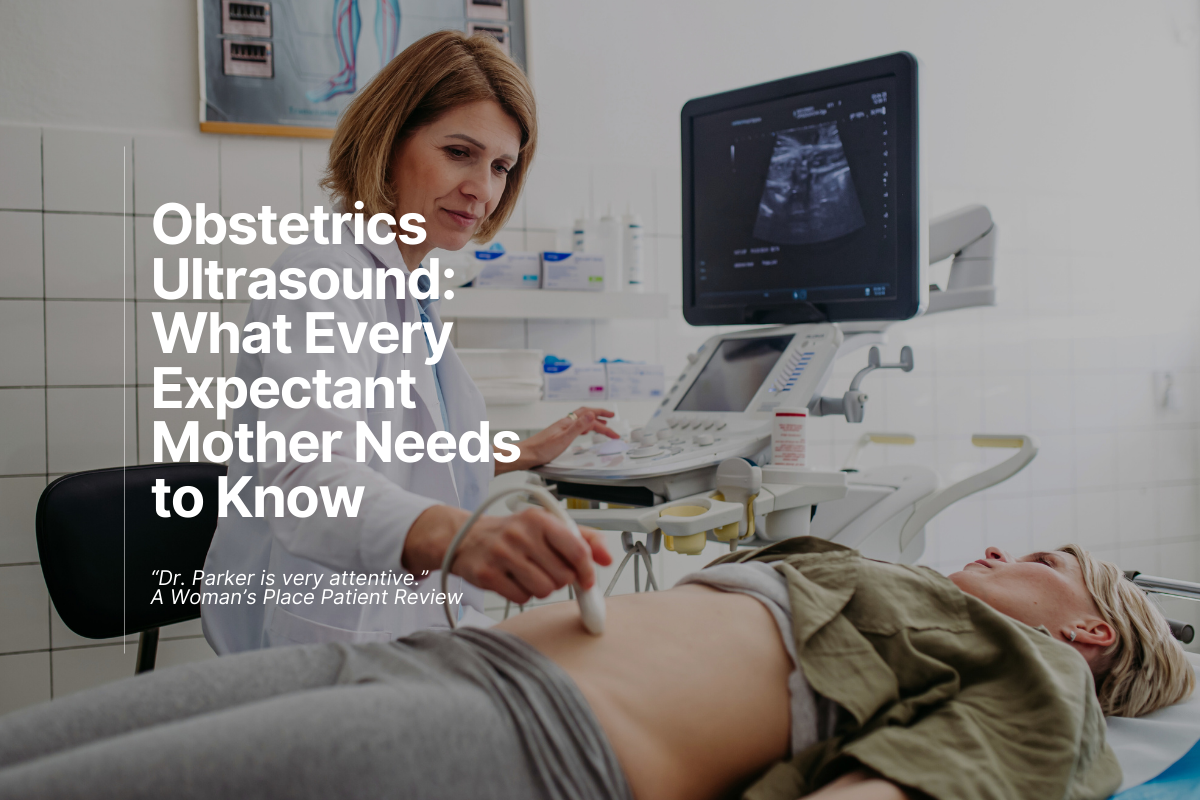
- Track fetal growth and development through regular ultrasounds
- Screen for gestational diabetes, which affects roughly 2–10% of pregnancies in the U.S.
- Discuss birth planning so you feel prepared and empowered going into labor
- Support your postpartum recovery, because care doesn’t end at delivery
At A Woman’s Place, we also offer Centering Pregnancy — a group prenatal care model that combines medical care with peer support and health education. Research consistently shows that women who participate in Centering Pregnancy have better birth outcomes, lower preterm birth rates, and feel more confident in their postpartum care.
Postpartum Care: The “Fourth Trimester” Matters
The weeks after delivery are often called the “fourth trimester” — and for good reason. Your body is going through an enormous transition, your hormones are shifting dramatically, and you’re adjusting to an entirely new life. Yet many women feel pressure to “bounce back” quickly and may delay or skip their postpartum appointment.
Please don’t. Your six-week postpartum visit (and ideally an earlier check-in around two to three weeks) is essential. This is when your provider screens for postpartum depression, checks your physical recovery, discusses contraception, and ensures you have the support you need to heal and thrive.
“Everyone was super nice and understanding and I felt like I couldn’t have gotten any better care anywhere else. She was very understanding, compassionate and 10 out of 10 would recommend her.”
A Woman’s Place Patient Review
You Deserve to Be a Priority
At A Woman’s Place, we’ve been caring for women in Naples and the surrounding community since 1988. We understand that every pregnancy is different, every woman’s needs are unique, and that truly exceptional care means treating the whole person — not just managing a medical condition.
Whether you’re planning a pregnancy, currently expecting, or navigating the postpartum period, we’re here for you. Your health matters — not only because it affects your baby, but because you matter.
Ready to prioritize your maternal health? Call us at (239) 513-0053 or request an appointment online. We’d be honored to be your partner through every stage of this journey.
By: A Woman’s Place in Naples, FL
Pregnancy is one of the most transformative experiences a woman can go through — physically, emotionally, and mentally. But for all the joy and anticipation it brings, pregnancy also comes with real health considerations that deserve serious attention. At A Woman’s Place, we believe that maternal health isn’t just about delivering a healthy baby. It’s about ensuring that you — the mother — are thriving every step of the way.
“Felt really heard and understood all of my concerns and questions were addressed.”
A Woman’s Place Patient Review
What Is Maternal Health, Really?
Maternal health encompasses a woman’s wellbeing throughout pregnancy, childbirth, and the postpartum period. It includes physical care like monitoring blood pressure, managing gestational diabetes, and tracking fetal development — but it also includes mental and emotional wellness. A truly healthy pregnancy means that mom is supported, informed, and cared for holistically, from the first prenatal visit to those critical weeks after delivery.
Too often, the conversation around pregnancy focuses almost exclusively on the baby. And while your baby’s health is absolutely a priority, neglecting the mother’s health can have serious consequences — for both of them.
The Stakes Are High
Maternal mortality and morbidity remain significant concerns in the United States. According to the CDC, the U.S. has one of the highest maternal mortality rates among developed nations, and many of these deaths are preventable. Conditions like preeclampsia, postpartum hemorrhage, and postpartum depression are among the leading causes of maternal complications — and early detection through consistent prenatal care can make all the difference.
That’s why regular prenatal appointments aren’t just routine check-ins. They’re critical opportunities for your provider to catch warning signs early, answer your questions, and adjust your care plan as your pregnancy evolves. Skipping prenatal visits — even a few — can mean missed opportunities to identify and address risks before they become emergencies.
Mental Health Is Maternal Health
One of the most underrecognized aspects of maternal health is mental wellness. Perinatal mood and anxiety disorders, including postpartum depression, affect up to 1 in 5 women. These aren’t signs of weakness or failure — they are medical conditions that respond well to treatment when caught early.
Symptoms can include persistent sadness, anxiety, difficulty bonding with your baby, or feeling overwhelmed in ways that don’t ease with time or rest. If you’re experiencing any of these, please speak with your provider. At A Woman’s Place, we create a judgment-free environment where you can talk openly about how you’re feeling — not just how your pregnancy is progressing.
The Power of Consistent, Compassionate Care
One of the most meaningful things you can do for your maternal health is to establish care with a provider you trust early in your pregnancy. Ideally, if you’re planning to conceive, preconception care — a visit before you’re even pregnant — can help identify and address risk factors ahead of time.
From there, consistent prenatal visits allow your care team to:
- Monitor your blood pressure and screen for preeclampsia, a potentially serious condition that affects about 5–8% of pregnancies
- Track fetal growth and development through regular ultrasounds
- Screen for gestational diabetes, which affects roughly 2–10% of pregnancies in the U.S.
- Discuss birth planning so you feel prepared and empowered going into labor
- Support your postpartum recovery, because care doesn’t end at delivery
At A Woman’s Place, we also offer Centering Pregnancy — a group prenatal care model that combines medical care with peer support and health education. Research consistently shows that women who participate in Centering Pregnancy have better birth outcomes, lower preterm birth rates, and feel more confident in their postpartum care.
Postpartum Care: The “Fourth Trimester” Matters
The weeks after delivery are often called the “fourth trimester” — and for good reason. Your body is going through an enormous transition, your hormones are shifting dramatically, and you’re adjusting to an entirely new life. Yet many women feel pressure to “bounce back” quickly and may delay or skip their postpartum appointment.
Please don’t. Your six-week postpartum visit (and ideally an earlier check-in around two to three weeks) is essential. This is when your provider screens for postpartum depression, checks your physical recovery, discusses contraception, and ensures you have the support you need to heal and thrive.
“Everyone was super nice and understanding and I felt like I couldn’t have gotten any better care anywhere else. She was very understanding, compassionate and 10 out of 10 would recommend her.”
A Woman’s Place Patient Review
You Deserve to Be a Priority
At A Woman’s Place, we’ve been caring for women in Naples and the surrounding community since 1988. We understand that every pregnancy is different, every woman’s needs are unique, and that truly exceptional care means treating the whole person — not just managing a medical condition.
Whether you’re planning a pregnancy, currently expecting, or navigating the postpartum period, we’re here for you. Your health matters — not only because it affects your baby, but because you matter.
Ready to prioritize your maternal health? Call us at (239) 513-0053 or request an appointment online. We’d be honored to be your partner through every stage of this journey.