By: A Woman’s Place in Naples, FL
For many women, perimenopause and menopause are associated with familiar symptoms such as hot flashes, mood changes, and changes in menstrual cycles. Yet one of the most silent — and potentially serious — changes happening beneath the surface is the loss of bone density. Because this process occurs without pain or obvious warning signs until a fracture happens, proactive screening becomes one of the most important steps women can take to protect long-term health.
At A Woman’s Place OB/GYN, we encourage women approaching or in menopause to understand how bone density scans can help identify risk early, guide prevention and treatment, and reduce fracture risk. Below, we explain what bone density scans are, why they’re recommended during perimenopause and menopause, who should get them, and how they can influence your health plan.
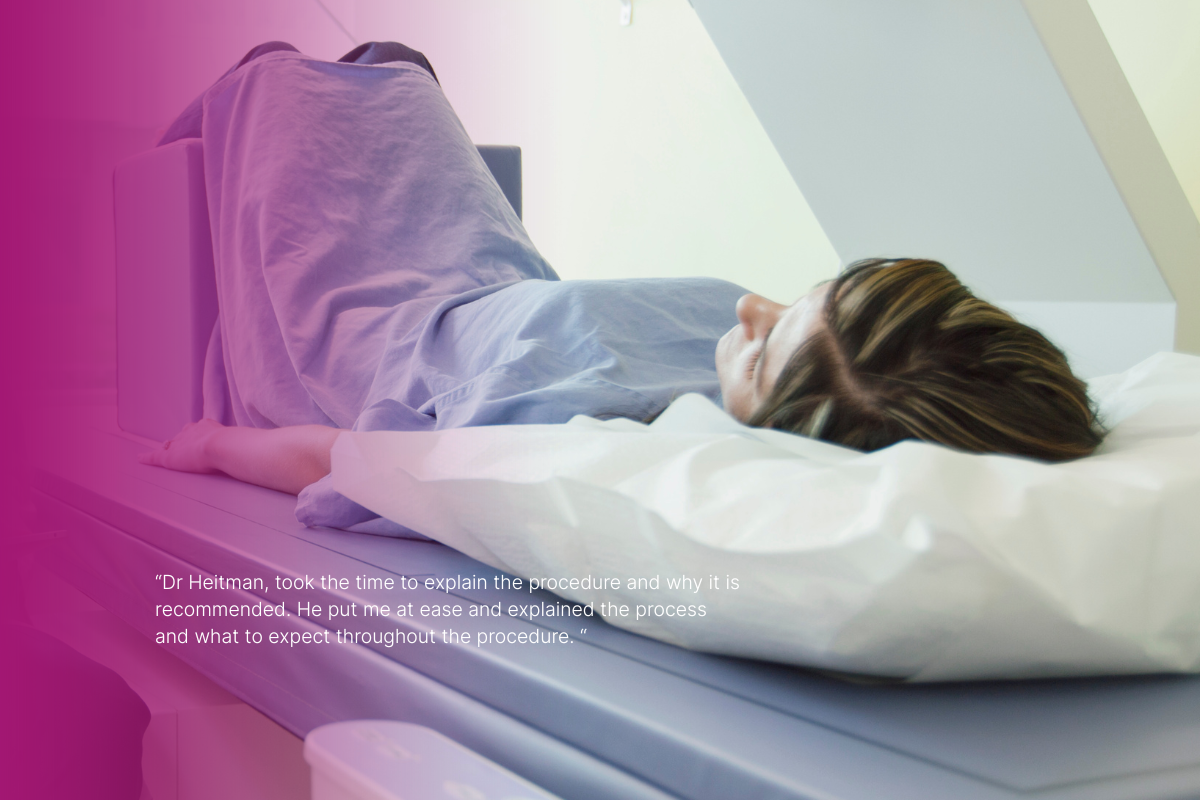
“Dr Heitman, took the time to explain the procedure and why it is recommended. He put me at ease and explained the process and what to expect throughout the procedure. “
A Woman’s Place Patient Review
Understanding Bone Health and Menopause
Bones are living tissues that constantly rebuild through a process called bone remodeling — old bone is broken down and new bone is formed. In younger years, this process remains balanced, but as estrogen declines during perimenopause and menopause, the balance shifts toward bone loss. Estrogen plays a key role in slowing bone breakdown; without sufficient estrogen, bones lose density more rapidly.
Research has shown that women experience accelerated bone loss beginning in late perimenopause and continuing into early post-menopause, with losses approaching a dangerous threshold over time.
This matters because osteoporosis — a condition of weakened, porous bones — increases fracture risk dramatically, particularly in key areas such as the hip, spine, and wrist. Nearly one in two women over age 50 will experience an osteoporosis-related fracture in her lifetime, and many of these women never knew they were losing bone until it was too late.
What Is a Bone Density Scan (DEXA)?
A bone density scan, most commonly performed using Dual-Energy X-Ray Absorptiometry (DEXA), is a quick, noninvasive test that measures bone mineral density (BMD) — an indicator of bone strength and fracture risk. DEXA takes low-dose X-rays of your spine and hip and calculates your BMD compared to that of a young, healthy adult.
This test provides a T-score, which helps clinicians classify results as:
- Normal bone density
- Osteopenia (lower than normal density, a precursor to osteoporosis)
- Osteoporosis (significant loss of bone strength)
Because bone loss has no symptoms until fracture, only imaging such as DEXA can reveal what’s happening internally.
Why Timely Screening Is Important
- Bone Loss Begins Before You Notice It
During perimenopause and early menopause, bone density can decline rapidly — often before women realize their bodies are changing. The most rapid bone loss tends to occur in the years just before and after the final menstrual period, making this “window of opportunity” crucial for early detection.
- Early Detection Enables Prevention
Detecting lower bone density early allows your OB/GYN to intervene before fractures occur. Based on your scan results, your clinician may recommend lifestyle changes (diet, exercise, fall prevention), supplements (calcium and vitamin D), hormone therapy, or other medical treatments to slow or reverse bone loss.
Without a scan, osteoporosis may only be diagnosed after a fracture has already occurred — a scenario associated with pain, reduced mobility, loss of independence, and even increased mortality.
- Screening Guides Personalized Care
Bone density scans are not only diagnostic — they also help physicians tailor prevention and treatment plans. For example, a woman with osteopenia (moderately decreased bone density) may benefit from earlier lifestyle strategies and monitoring, while a woman with osteoporosis may require medication or closer follow-up.
Who Should Get a Bone Density Scan?
Guidelines from multiple sources emphasize the role of bone density screening based on age and risk:
- Women aged 65 and older — routine bone density screening is recommended for all women.
- Women aged 50–64 with risk factors — including family history of fractures, low body weight, smoking, long-term steroid use, early menopause, or a history of bone loss — should discuss earlier screening with their clinician.
- Women with previous fractures — particularly after minimal trauma (e.g., slipping or falling from standing height) should be evaluated regardless of age.
Because many women begin losing bone earlier than the conventional screening age of 65, talking with your OB/GYN about your personal risk profile can help determine whether earlier screening — sometimes even in the 50s — is appropriate.
What Happens After a Bone Density Scan?
Once your DEXA scan is completed, your OB/GYN will review your T-score and other clinical factors to outline next steps, which may include:
- Dietary and lifestyle recommendations: Emphasis on calcium-rich foods, adequate vitamin D, and weight-bearing or strength-training exercises to support bone strength.
- Fall-prevention strategies: Improving balance, reviewing medications that increase fall risk, and adapting your living environment for safety.
- Pharmacologic therapies: In women at higher risk or with confirmed osteoporosis, medications such as bisphosphonates, hormone therapy, or other bone-preserving agents may be recommended.
- Follow-up and monitoring: Your doctor will advise on how often to repeat bone density testing based on your initial results and changes in risk factors.
Importantly, bone loss is not inevitable — with the right interventions and follow-up, many women maintain stronger bones well into later life.
“Dr. Miller is someone who listens and then gives her thoughts. She made me feel comfortable. She was sympathetic even if my spoken thoughts were a bit foreign to her. The nurse was also kind. The facility was clean including the bathroom. I did not have to wait longer than 5 minutes to be seen. There was a little longer time to meet with the doctor, but then she spent as much time as I needed with me.”
A Woman’s Place Patient Review
Empowering Your Health Through Knowledge and Action
Bone health is not something that should be left to chance. Many of the changes associated with perimenopause and menopause — including accelerated bone loss — occur subtly and without obvious symptoms. A bone density scan provides insight into what’s happening internally and empowers women to take action early, potentially preventing future fractures and preserving quality of life.
At A Woman’s Place OB/GYN, we’re committed to helping you understand your bone health and make informed decisions about screening and prevention. If you’re approaching menopause, have risk factors for bone loss, or want to learn more about bone density scanning, we encourage you to schedule a discussion with our experienced team.
Your bones support you every day — it’s time to support them in return. Visit https://www.awpnaples.com/ or call our office to learn more and book your appointment.
By: A Woman’s Place in Naples, FL
For many women, perimenopause and menopause are associated with familiar symptoms such as hot flashes, mood changes, and changes in menstrual cycles. Yet one of the most silent — and potentially serious — changes happening beneath the surface is the loss of bone density. Because this process occurs without pain or obvious warning signs until a fracture happens, proactive screening becomes one of the most important steps women can take to protect long-term health.
At A Woman’s Place OB/GYN, we encourage women approaching or in menopause to understand how bone density scans can help identify risk early, guide prevention and treatment, and reduce fracture risk. Below, we explain what bone density scans are, why they’re recommended during perimenopause and menopause, who should get them, and how they can influence your health plan.
“Dr Heitman, took the time to explain the procedure and why it is recommended. He put me at ease and explained the process and what to expect throughout the procedure. “
A Woman’s Place Patient Review
Understanding Bone Health and Menopause
Bones are living tissues that constantly rebuild through a process called bone remodeling — old bone is broken down and new bone is formed. In younger years, this process remains balanced, but as estrogen declines during perimenopause and menopause, the balance shifts toward bone loss. Estrogen plays a key role in slowing bone breakdown; without sufficient estrogen, bones lose density more rapidly.
Research has shown that women experience accelerated bone loss beginning in late perimenopause and continuing into early post-menopause, with losses approaching a dangerous threshold over time.
This matters because osteoporosis — a condition of weakened, porous bones — increases fracture risk dramatically, particularly in key areas such as the hip, spine, and wrist. Nearly one in two women over age 50 will experience an osteoporosis-related fracture in her lifetime, and many of these women never knew they were losing bone until it was too late.
What Is a Bone Density Scan (DEXA)?
A bone density scan, most commonly performed using Dual-Energy X-Ray Absorptiometry (DEXA), is a quick, noninvasive test that measures bone mineral density (BMD) — an indicator of bone strength and fracture risk. DEXA takes low-dose X-rays of your spine and hip and calculates your BMD compared to that of a young, healthy adult.
This test provides a T-score, which helps clinicians classify results as:
- Normal bone density
- Osteopenia (lower than normal density, a precursor to osteoporosis)
- Osteoporosis (significant loss of bone strength)
Because bone loss has no symptoms until fracture, only imaging such as DEXA can reveal what’s happening internally.
Why Timely Screening Is Important
- Bone Loss Begins Before You Notice It
During perimenopause and early menopause, bone density can decline rapidly — often before women realize their bodies are changing. The most rapid bone loss tends to occur in the years just before and after the final menstrual period, making this “window of opportunity” crucial for early detection.
- Early Detection Enables Prevention
Detecting lower bone density early allows your OB/GYN to intervene before fractures occur. Based on your scan results, your clinician may recommend lifestyle changes (diet, exercise, fall prevention), supplements (calcium and vitamin D), hormone therapy, or other medical treatments to slow or reverse bone loss.
Without a scan, osteoporosis may only be diagnosed after a fracture has already occurred — a scenario associated with pain, reduced mobility, loss of independence, and even increased mortality.
- Screening Guides Personalized Care
Bone density scans are not only diagnostic — they also help physicians tailor prevention and treatment plans. For example, a woman with osteopenia (moderately decreased bone density) may benefit from earlier lifestyle strategies and monitoring, while a woman with osteoporosis may require medication or closer follow-up.
Who Should Get a Bone Density Scan?
Guidelines from multiple sources emphasize the role of bone density screening based on age and risk:
- Women aged 65 and older — routine bone density screening is recommended for all women.
- Women aged 50–64 with risk factors — including family history of fractures, low body weight, smoking, long-term steroid use, early menopause, or a history of bone loss — should discuss earlier screening with their clinician.
- Women with previous fractures — particularly after minimal trauma (e.g., slipping or falling from standing height) should be evaluated regardless of age.
Because many women begin losing bone earlier than the conventional screening age of 65, talking with your OB/GYN about your personal risk profile can help determine whether earlier screening — sometimes even in the 50s — is appropriate.
What Happens After a Bone Density Scan?
Once your DEXA scan is completed, your OB/GYN will review your T-score and other clinical factors to outline next steps, which may include:
- Dietary and lifestyle recommendations: Emphasis on calcium-rich foods, adequate vitamin D, and weight-bearing or strength-training exercises to support bone strength.
- Fall-prevention strategies: Improving balance, reviewing medications that increase fall risk, and adapting your living environment for safety.
- Pharmacologic therapies: In women at higher risk or with confirmed osteoporosis, medications such as bisphosphonates, hormone therapy, or other bone-preserving agents may be recommended.
- Follow-up and monitoring: Your doctor will advise on how often to repeat bone density testing based on your initial results and changes in risk factors.
Importantly, bone loss is not inevitable — with the right interventions and follow-up, many women maintain stronger bones well into later life.
“Dr. Miller is someone who listens and then gives her thoughts. She made me feel comfortable. She was sympathetic even if my spoken thoughts were a bit foreign to her. The nurse was also kind. The facility was clean including the bathroom. I did not have to wait longer than 5 minutes to be seen. There was a little longer time to meet with the doctor, but then she spent as much time as I needed with me.”
A Woman’s Place Patient Review
Empowering Your Health Through Knowledge and Action
Bone health is not something that should be left to chance. Many of the changes associated with perimenopause and menopause — including accelerated bone loss — occur subtly and without obvious symptoms. A bone density scan provides insight into what’s happening internally and empowers women to take action early, potentially preventing future fractures and preserving quality of life.
At A Woman’s Place OB/GYN, we’re committed to helping you understand your bone health and make informed decisions about screening and prevention. If you’re approaching menopause, have risk factors for bone loss, or want to learn more about bone density scanning, we encourage you to schedule a discussion with our experienced team.
Your bones support you every day — it’s time to support them in return. Visit https://www.awpnaples.com/ or call our office to learn more and book your appointment.