By: A Woman’s Place in Naples, FL
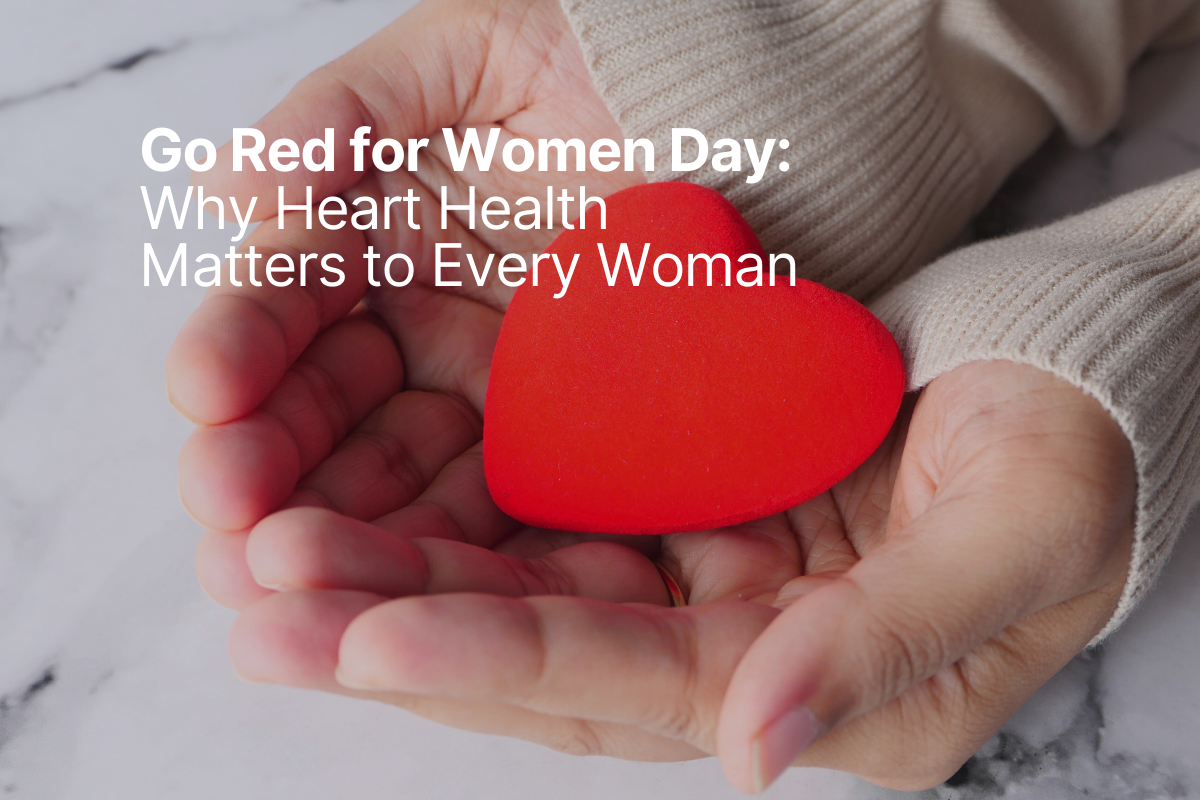
Each year in early February, the American Heart Association’s Go Red for Women Day spotlights an urgent public health truth: cardiovascular disease (CVD) is the single greatest health threat facing women, far surpassing breast cancer and other conditions more widely perceived as primary risks. At A Woman’s Place, where we support women’s health across the lifespan — from reproductive care to menopause management — we believe that understanding heart health is foundational to comprehensive wellness. This Go Red for Women Day, let’s explore why heart health matters, how it connects to broader aspects of women’s health, and what women can do to protect themselves and the people they love.
“Dr. Shepard is fabulous! Caring, knowledgeable and really takes time to listen and understand and explain. Cami is also wonderful for the same reasons!”
A Woman’s Place Patient Review
Cardiovascular Disease: The Leading Threat to Women
Many women still believe that heart disease primarily affects men. In reality, cardiovascular disease kills more women than all forms of cancer combined, claiming the lives of one in three women each year in the United States. Despite this staggering statistic, awareness remains insufficient: less than half of women recognize heart disease as their number one health risk.
Cardiovascular disease encompasses a range of conditions including coronary artery disease, heart attack, stroke, and heart failure. Women often experience symptoms differently than men, leading to misdiagnosis or delayed treatment. Unique female life stages — such as pregnancy, perimenopause and menopause — also influence cardiovascular risk through hormonal shifts and specific complications like gestational diabetes or preeclampsia that can have long-term consequences for heart health.
Heart Health Is Women’s Health
At A Woman’s Place, we understand that women’s health doesn’t exist in silos — reproductive, metabolic, musculoskeletal, and cardiovascular systems are interconnected. Poor heart health affects more than just the cardiovascular system: it influences energy levels, metabolic disease risk (including diabetes), cognitive health, mobility, and quality of life. Women with compromised cardiovascular health may experience fatigue, decreased exercise tolerance, irregular menstrual cycles, and complications during pregnancy or postpartum recovery.
For example, high blood pressure during pregnancy (such as with preeclampsia) not only affects immediate maternal and fetal outcomes but also increases the mother’s future risk for chronic cardiovascular disease. Considering these links, cardiovascular wellness should be viewed as integral to overall female health, not merely as a separate medical category.
How Lifestyle and Prevention Make a Difference
The good news is that many cardiovascular risks are modifiable. According to data from the American Heart Association, up to 80 percent of cardiac events in women could be prevented through lifestyle changes and risk factor management.
Here are evidence-based strategies women can adopt:
- Know Your Numbers
Understanding key cardiovascular indicators — blood pressure, cholesterol levels, blood sugar, and body mass index — enables individualized care. Women should review these numbers with their provider regularly. - Move Regularly
Consistent physical activity helps control weight, reduce blood pressure, and improve overall cardiovascular health. The Department of Health recommends at least 150 minutes of moderate aerobic activity per week (such as brisk walking) or 75 minutes of vigorous activity. - Eat a Heart-Healthy Diet
A nutritious eating pattern — rich in fruits, vegetables, whole grains, lean proteins and healthy fats — supports optimal heart function. Reducing sodium and added sugars also helps maintain healthy blood pressure and weight. - Eliminate Tobacco
Smoking and exposure to second-hand smoke significantly increase cardiovascular risk. Quitting smoking can dramatically lower the risk of heart disease, even within the first year. - Manage Stress and Sleep
Chronic stress and poor sleep contribute to elevated blood pressure and adverse metabolic outcomes. Prioritizing stress management and quality sleep is fundamental to heart and whole-body health.
The Role of Clinical Care
Prevention and lifestyle strategies are crucial, but so is regular clinical care. Women should partner with trusted healthcare providers — including obstetrician-gynecologists — to monitor health over time, particularly during key life transitions like pregnancy and menopause when cardiovascular risk may shift. At A Woman’s Place, we offer comprehensive care that integrates preventive screenings, personalized risk assessment, and coordinated referrals when specialized cardiovascular services are needed. A thoughtful care plan might begin with a cardiovascular risk assessment during a well-woman visit. From there, we collaborate with primary care and cardiology specialists to ensure holistic support — especially for women with preexisting conditions such as hypertension, diabetes, autoimmune conditions, or a family history of heart disease.
Joining the Go Red Movement
Go Red for Women Day — and the broader Go Red for Women movement — encourages women to raise awareness, share stories, and take action against heart disease. Whether it’s wearing red in February, engaging in community events, or simply discussing heart health with friends and family, every conversation matters.
Because awareness drives early detection and prevention, we encourage our community to take heart health seriously: schedule regular checkups, learn your personal risk factors, and make lifestyle choices that support long-term well-being.
“What a wonderful woman and physician. Very knowledgeable about my situation and how to maybe help it. I would see her again and Dr. Miller. Friendly staff didn’t have to wait too long either and it was the last day of the year.”
A Woman’s Place Patient Review
Heart Health at Every Stage
Cardiovascular health is not merely a medical category — it is a critical component of a woman’s overall well-being. From adolescence through menopause and beyond, heart health intersects with reproductive outcomes, metabolic balance, quality of life, and longevity. This Go Red for Women Day, let the message echo clearly: protecting your heart is protecting your life.
At A Woman’s Place, we are committed to providing compassionate, evidence-based care that supports women’s health in all its complexity — including the heart at its center. To learn more or schedule a heart-focused wellness visit, contact our Naples office today.
By: A Woman’s Place in Naples, FL
Each year in early February, the American Heart Association’s Go Red for Women Day spotlights an urgent public health truth: cardiovascular disease (CVD) is the single greatest health threat facing women, far surpassing breast cancer and other conditions more widely perceived as primary risks. At A Woman’s Place, where we support women’s health across the lifespan — from reproductive care to menopause management — we believe that understanding heart health is foundational to comprehensive wellness. This Go Red for Women Day, let’s explore why heart health matters, how it connects to broader aspects of women’s health, and what women can do to protect themselves and the people they love.
“Dr. Shepard is fabulous! Caring, knowledgeable and really takes time to listen and understand and explain. Cami is also wonderful for the same reasons!”
A Woman’s Place Patient Review
Cardiovascular Disease: The Leading Threat to Women
Many women still believe that heart disease primarily affects men. In reality, cardiovascular disease kills more women than all forms of cancer combined, claiming the lives of one in three women each year in the United States. Despite this staggering statistic, awareness remains insufficient: less than half of women recognize heart disease as their number one health risk.
Cardiovascular disease encompasses a range of conditions including coronary artery disease, heart attack, stroke, and heart failure. Women often experience symptoms differently than men, leading to misdiagnosis or delayed treatment. Unique female life stages — such as pregnancy, perimenopause and menopause — also influence cardiovascular risk through hormonal shifts and specific complications like gestational diabetes or preeclampsia that can have long-term consequences for heart health.
Heart Health Is Women’s Health
At A Woman’s Place, we understand that women’s health doesn’t exist in silos — reproductive, metabolic, musculoskeletal, and cardiovascular systems are interconnected. Poor heart health affects more than just the cardiovascular system: it influences energy levels, metabolic disease risk (including diabetes), cognitive health, mobility, and quality of life. Women with compromised cardiovascular health may experience fatigue, decreased exercise tolerance, irregular menstrual cycles, and complications during pregnancy or postpartum recovery.
For example, high blood pressure during pregnancy (such as with preeclampsia) not only affects immediate maternal and fetal outcomes but also increases the mother’s future risk for chronic cardiovascular disease. Considering these links, cardiovascular wellness should be viewed as integral to overall female health, not merely as a separate medical category.
How Lifestyle and Prevention Make a Difference
The good news is that many cardiovascular risks are modifiable. According to data from the American Heart Association, up to 80 percent of cardiac events in women could be prevented through lifestyle changes and risk factor management.
Here are evidence-based strategies women can adopt:
- Know Your Numbers
Understanding key cardiovascular indicators — blood pressure, cholesterol levels, blood sugar, and body mass index — enables individualized care. Women should review these numbers with their provider regularly. - Move Regularly
Consistent physical activity helps control weight, reduce blood pressure, and improve overall cardiovascular health. The Department of Health recommends at least 150 minutes of moderate aerobic activity per week (such as brisk walking) or 75 minutes of vigorous activity. - Eat a Heart-Healthy Diet
A nutritious eating pattern — rich in fruits, vegetables, whole grains, lean proteins and healthy fats — supports optimal heart function. Reducing sodium and added sugars also helps maintain healthy blood pressure and weight. - Eliminate Tobacco
Smoking and exposure to second-hand smoke significantly increase cardiovascular risk. Quitting smoking can dramatically lower the risk of heart disease, even within the first year. - Manage Stress and Sleep
Chronic stress and poor sleep contribute to elevated blood pressure and adverse metabolic outcomes. Prioritizing stress management and quality sleep is fundamental to heart and whole-body health.
The Role of Clinical Care
Prevention and lifestyle strategies are crucial, but so is regular clinical care. Women should partner with trusted healthcare providers — including obstetrician-gynecologists — to monitor health over time, particularly during key life transitions like pregnancy and menopause when cardiovascular risk may shift. At A Woman’s Place, we offer comprehensive care that integrates preventive screenings, personalized risk assessment, and coordinated referrals when specialized cardiovascular services are needed. A thoughtful care plan might begin with a cardiovascular risk assessment during a well-woman visit. From there, we collaborate with primary care and cardiology specialists to ensure holistic support — especially for women with preexisting conditions such as hypertension, diabetes, autoimmune conditions, or a family history of heart disease.
Joining the Go Red Movement
Go Red for Women Day — and the broader Go Red for Women movement — encourages women to raise awareness, share stories, and take action against heart disease. Whether it’s wearing red in February, engaging in community events, or simply discussing heart health with friends and family, every conversation matters.
Because awareness drives early detection and prevention, we encourage our community to take heart health seriously: schedule regular checkups, learn your personal risk factors, and make lifestyle choices that support long-term well-being.
“What a wonderful woman and physician. Very knowledgeable about my situation and how to maybe help it. I would see her again and Dr. Miller. Friendly staff didn’t have to wait too long either and it was the last day of the year.”
A Woman’s Place Patient Review
Heart Health at Every Stage
Cardiovascular health is not merely a medical category — it is a critical component of a woman’s overall well-being. From adolescence through menopause and beyond, heart health intersects with reproductive outcomes, metabolic balance, quality of life, and longevity. This Go Red for Women Day, let the message echo clearly: protecting your heart is protecting your life.
At A Woman’s Place, we are committed to providing compassionate, evidence-based care that supports women’s health in all its complexity — including the heart at its center. To learn more or schedule a heart-focused wellness visit, contact our Naples office today.