By: A Woman’s Place in Naples, FL
Pelvic pain can be confusing, disruptive, and, at times, isolating. Whether the discomfort is mild and intermittent or persistent and severe, it’s important to understand that your symptoms are valid and worthy of a thoughtful medical assessment. At A Woman’s Place OB/GYN, we recognize how sensitive and complex pelvic pain can be — and we are committed to helping you communicate your experience in a way that leads to meaningful evaluation and care.
In this post, we’ll explain why pelvic pain matters, help you identify what to track before your visit, and provide tips to make your conversation with your OB/GYN more productive. Our goal is to empower you with the tools and confidence to advocate for your health.
“Dr. Shepherd is truly one of the best in this field. I felt beyond comfortable going into this procedure and loved the outcome. Highly recommend anyone seeing Dr. Shepherd for any and all guidance on gynecology or surgery.”
A Woman’s Place Patient Review
Understanding Pelvic Pain: Why It Matters
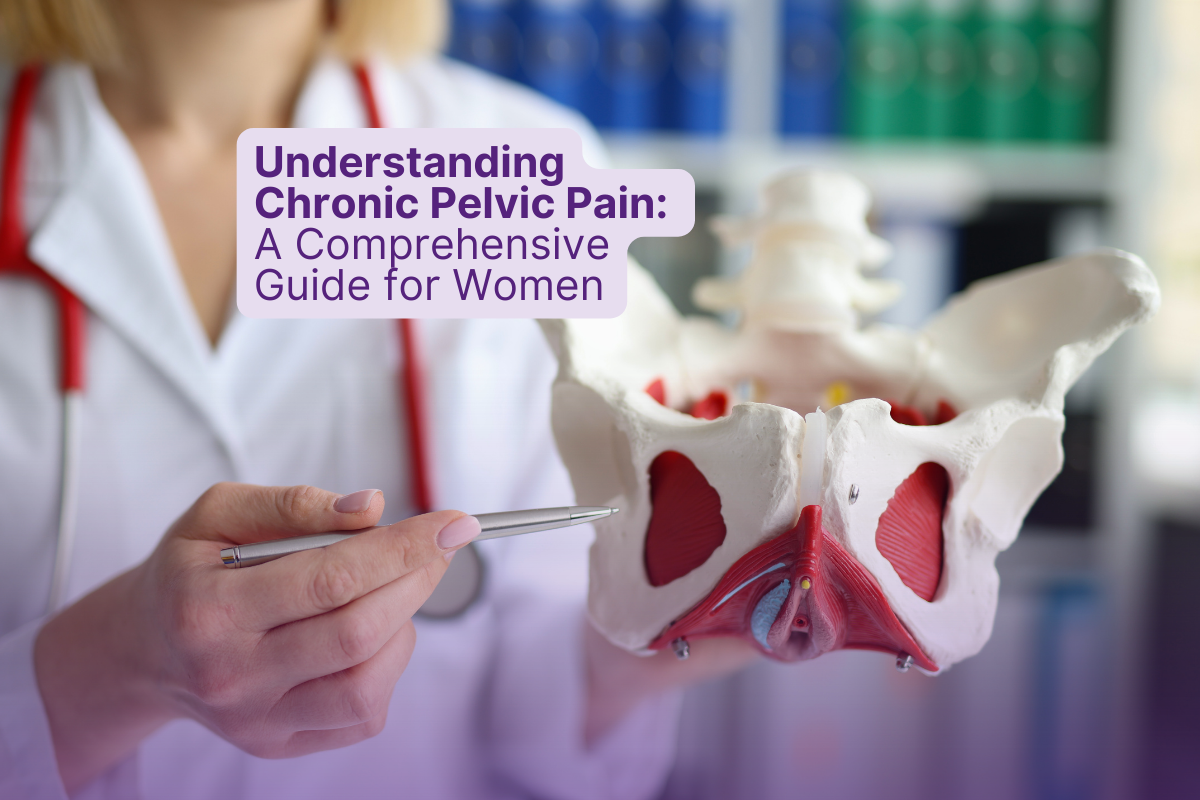
Pelvic pain refers to discomfort in the lower abdomen — the area below your belly button and between your hips. This type of pain can be:
- Sharp or dull
- Constant or intermittent
- Localized or widespread
- Related to specific activities (e.g., sex, urination, bowel movements)
Pelvic pain is not a diagnosis in itself but a symptom that may arise from a range of conditions, including:
- Gynecologic causes: endometriosis, ovarian cysts, uterine fibroids, pelvic inflammatory disease (PID)
- Urinary conditions: recurrent urinary tract infections (UTIs), interstitial cystitis
- Gastrointestinal issues: irritable bowel syndrome (IBS), constipation
- Musculoskeletal causes: pelvic floor muscle dysfunction
Because there are many potential contributors, clear communication with your OB/GYN is critical to narrowing down possible causes and developing an effective plan.
Why Talking About Pelvic Pain Can Be Challenging
It’s normal to feel hesitant about discussing pelvic pain, especially when the symptoms involve intimate areas or private experiences — such as pain during intercourse or changes in bowel or bladder habits. Common barriers include:
- Feeling embarrassed or awkward
- Worrying that symptoms will be minimized
- Not knowing how to describe the pain
- Assuming that pain is “normal” or something to be endured
However, your OB/GYN is trained to understand pelvic health across the full spectrum of women’s experiences. Discussing pain openly and clearly enables your provider to make accurate assessments and offer appropriate options.
Before the Appointment: Prepare and Track Your Symptoms
Preparation can make your visit more focused and efficient. Here are steps you can take ahead of time:
1. Keep a Symptom Journal
Tracking your pain helps reveal patterns and triggers. Include details such as:
- When the pain started
- Intensity on a scale from 1 to 10
- Duration of episodes
- Activities or events associated with flare-ups
- Location of pain (e.g., lower abdomen, pelvic floor, back)
- Related symptoms such as bloating, nausea, urinary urgency, or painful intercourse
Example entry:
- Date > Oct. 4
- Pain Level > 6
- Description > Cramping deep in lower pelvis
- Activities > After long walk
- Other Symptoms > Bloating
This record provides concrete information your OB/GYN can use in the assessment.
2. Review Your Medical History
Bring a list that includes:
- Current medications (including OTC and supplements)
- Previous surgeries
- Known diagnoses (e.g., endometriosis, IBS)
- Recent infections or injuries
- Menstrual history (cycle length, regularity, heavy bleeding)
Medical history can influence both diagnosis and management options.
3. Think Through Your Questions and Goals
Prepare a concise list of what you want to address. Examples include:
- “What could be causing this pain?”
- “Do we need imaging or labs?”
- “Are there lifestyle adjustments that might help?”
- “When should I be concerned about urgent symptoms?”
Writing questions down ensures you don’t forget them during the appointment.
During the Appointment: Tips for Clear Communication
When you’re in the exam room, use these strategies to make your discussion with your OB/GYN as effective as possible.
1. Describe the Pain Clearly
Use your symptom journal to talk through:
- Location: “Lower left side,” “deep inside pelvis,” etc.
- Type of pain: sharp, dull, cramping, burning
- Timing: constant vs. intermittent, onset relative to activities or menstrual cycle
Descriptive language gives your provider valuable diagnostic clues.
2. Share Associated Symptoms
Pelvic pain often occurs with other symptoms. Tell your OB/GYN if you’ve noticed:
- Changes in bowel habits
- Urinary symptoms (frequency, urgency, pain)
- Pain during intercourse
- Abnormal bleeding
- Nausea or vomiting
- Fever
These associated symptoms help refine the list of potential causes.
3. Be Open About Daily Impact
Share how pelvic pain affects your quality of life:
- Interference with work, sleep, or exercise
- Avoiding intimacy due to pain
- Emotional stress or anxiety related to symptoms
This context helps your OB/GYN understand severity and urgency and tailor treatment decisions.
4. Ask Follow-Up Questions
If something is unclear, ask for clarification. Useful follow-ups may include:
- “Can you explain why this symptom might be happening?”
- “What testing do you recommend and why?”
- “What are the risks and benefits of this treatment?”
- “When should I schedule a follow-up visit?”
An informed patient is an empowered patient.
What to Expect After the Visit
Once you’ve discussed your symptoms and medical history, your OB/GYN may recommend:
- Diagnostic tests (ultrasound, lab work, imaging)
- Lifestyle interventions (dietary changes, physical therapy, pelvic floor therapy)
- Medication adjustments (pain management, hormonal treatments)
- Referrals to specialists if appropriate
Diagnosis and management can take time. Follow through on recommended tests and follow-up appointments, and continue to track your symptoms. Bring updates to subsequent visits so your provider can assess progress and adjust plans as needed.
When to Seek Urgent Care
Pelvic pain sometimes signals a condition requiring immediate attention. Contact your healthcare provider or seek emergency care if you experience:
- Severe or worsening pain
- Fever or chills
- Heavy vaginal bleeding or passing large clots
- Fainting, dizziness, or weakness
- Severe nausea/vomiting
“Front desk pleasant and helpful, PA Vicki was a delight, thorough exam and informative.”
A Woman’s Place Patient Review
Your Voice Matters
Pelvic pain can affect physical comfort, emotional well-being, and daily functioning — and it deserves thoughtful attention. At A Woman’s Place OB/GYN, we aim to create an environment where you feel respected, heard, and supported in every conversation about your health.
Open dialogue is a cornerstone of effective care. By preparing ahead, describing your symptoms clearly, and asking questions that matter to you, you help your OB/GYN partner with you in pursuing answers, relief, and a personalized care plan.
If you’re experiencing pelvic pain, we encourage you to schedule an appointment. You deserve care that addresses not just your symptoms, but your experience — with compassion and expertise.
To book a visit, learn more about our services, or get additional resources, visit https://www.awpnaples.com/ or call our office today.
By: A Woman’s Place in Naples, FL
Pelvic pain can be confusing, disruptive, and, at times, isolating. Whether the discomfort is mild and intermittent or persistent and severe, it’s important to understand that your symptoms are valid and worthy of a thoughtful medical assessment. At A Woman’s Place OB/GYN, we recognize how sensitive and complex pelvic pain can be — and we are committed to helping you communicate your experience in a way that leads to meaningful evaluation and care.
In this post, we’ll explain why pelvic pain matters, help you identify what to track before your visit, and provide tips to make your conversation with your OB/GYN more productive. Our goal is to empower you with the tools and confidence to advocate for your health.
“Dr. Shepherd is truly one of the best in this field. I felt beyond comfortable going into this procedure and loved the outcome. Highly recommend anyone seeing Dr. Shepherd for any and all guidance on gynecology or surgery.”
A Woman’s Place Patient Review
Understanding Pelvic Pain: Why It Matters
Pelvic pain refers to discomfort in the lower abdomen — the area below your belly button and between your hips. This type of pain can be:
- Sharp or dull
- Constant or intermittent
- Localized or widespread
- Related to specific activities (e.g., sex, urination, bowel movements)
Pelvic pain is not a diagnosis in itself but a symptom that may arise from a range of conditions, including:
- Gynecologic causes: endometriosis, ovarian cysts, uterine fibroids, pelvic inflammatory disease (PID)
- Urinary conditions: recurrent urinary tract infections (UTIs), interstitial cystitis
- Gastrointestinal issues: irritable bowel syndrome (IBS), constipation
- Musculoskeletal causes: pelvic floor muscle dysfunction
Because there are many potential contributors, clear communication with your OB/GYN is critical to narrowing down possible causes and developing an effective plan.
Why Talking About Pelvic Pain Can Be Challenging
It’s normal to feel hesitant about discussing pelvic pain, especially when the symptoms involve intimate areas or private experiences — such as pain during intercourse or changes in bowel or bladder habits. Common barriers include:
- Feeling embarrassed or awkward
- Worrying that symptoms will be minimized
- Not knowing how to describe the pain
- Assuming that pain is “normal” or something to be endured
However, your OB/GYN is trained to understand pelvic health across the full spectrum of women’s experiences. Discussing pain openly and clearly enables your provider to make accurate assessments and offer appropriate options.
Before the Appointment: Prepare and Track Your Symptoms
Preparation can make your visit more focused and efficient. Here are steps you can take ahead of time:
1. Keep a Symptom Journal
Tracking your pain helps reveal patterns and triggers. Include details such as:
- When the pain started
- Intensity on a scale from 1 to 10
- Duration of episodes
- Activities or events associated with flare-ups
- Location of pain (e.g., lower abdomen, pelvic floor, back)
- Related symptoms such as bloating, nausea, urinary urgency, or painful intercourse
Example entry:
- Date > Oct. 4
- Pain Level > 6
- Description > Cramping deep in lower pelvis
- Activities > After long walk
- Other Symptoms > Bloating
This record provides concrete information your OB/GYN can use in the assessment.
2. Review Your Medical History
Bring a list that includes:
- Current medications (including OTC and supplements)
- Previous surgeries
- Known diagnoses (e.g., endometriosis, IBS)
- Recent infections or injuries
- Menstrual history (cycle length, regularity, heavy bleeding)
Medical history can influence both diagnosis and management options.
3. Think Through Your Questions and Goals
Prepare a concise list of what you want to address. Examples include:
- “What could be causing this pain?”
- “Do we need imaging or labs?”
- “Are there lifestyle adjustments that might help?”
- “When should I be concerned about urgent symptoms?”
Writing questions down ensures you don’t forget them during the appointment.
During the Appointment: Tips for Clear Communication
When you’re in the exam room, use these strategies to make your discussion with your OB/GYN as effective as possible.
1. Describe the Pain Clearly
Use your symptom journal to talk through:
- Location: “Lower left side,” “deep inside pelvis,” etc.
- Type of pain: sharp, dull, cramping, burning
- Timing: constant vs. intermittent, onset relative to activities or menstrual cycle
Descriptive language gives your provider valuable diagnostic clues.
2. Share Associated Symptoms
Pelvic pain often occurs with other symptoms. Tell your OB/GYN if you’ve noticed:
- Changes in bowel habits
- Urinary symptoms (frequency, urgency, pain)
- Pain during intercourse
- Abnormal bleeding
- Nausea or vomiting
- Fever
These associated symptoms help refine the list of potential causes.
3. Be Open About Daily Impact
Share how pelvic pain affects your quality of life:
- Interference with work, sleep, or exercise
- Avoiding intimacy due to pain
- Emotional stress or anxiety related to symptoms
This context helps your OB/GYN understand severity and urgency and tailor treatment decisions.
4. Ask Follow-Up Questions
If something is unclear, ask for clarification. Useful follow-ups may include:
- “Can you explain why this symptom might be happening?”
- “What testing do you recommend and why?”
- “What are the risks and benefits of this treatment?”
- “When should I schedule a follow-up visit?”
An informed patient is an empowered patient.
What to Expect After the Visit
Once you’ve discussed your symptoms and medical history, your OB/GYN may recommend:
- Diagnostic tests (ultrasound, lab work, imaging)
- Lifestyle interventions (dietary changes, physical therapy, pelvic floor therapy)
- Medication adjustments (pain management, hormonal treatments)
- Referrals to specialists if appropriate
Diagnosis and management can take time. Follow through on recommended tests and follow-up appointments, and continue to track your symptoms. Bring updates to subsequent visits so your provider can assess progress and adjust plans as needed.
When to Seek Urgent Care
Pelvic pain sometimes signals a condition requiring immediate attention. Contact your healthcare provider or seek emergency care if you experience:
- Severe or worsening pain
- Fever or chills
- Heavy vaginal bleeding or passing large clots
- Fainting, dizziness, or weakness
- Severe nausea/vomiting
“Front desk pleasant and helpful, PA Vicki was a delight, thorough exam and informative.”
A Woman’s Place Patient Review
Your Voice Matters
Pelvic pain can affect physical comfort, emotional well-being, and daily functioning — and it deserves thoughtful attention. At A Woman’s Place OB/GYN, we aim to create an environment where you feel respected, heard, and supported in every conversation about your health.
Open dialogue is a cornerstone of effective care. By preparing ahead, describing your symptoms clearly, and asking questions that matter to you, you help your OB/GYN partner with you in pursuing answers, relief, and a personalized care plan.
If you’re experiencing pelvic pain, we encourage you to schedule an appointment. You deserve care that addresses not just your symptoms, but your experience — with compassion and expertise.
To book a visit, learn more about our services, or get additional resources, visit https://www.awpnaples.com/ or call our office today.